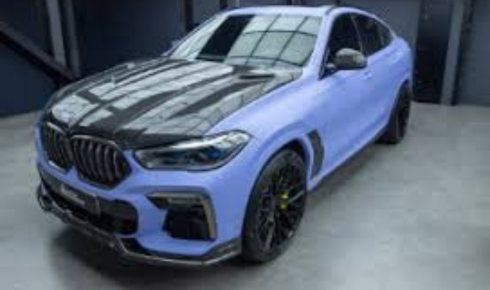
Vehicle wraps have become more than just a marketing tool—they’re a way to personalize, protect, and even transform vehicles. From small business fleets to personal cars, wraps offer a stunning alternative to paint, but achieving that picture-perfect look isn’t as simple as it seems. A successful wrap requires the right materials, careful installation, and thoughtful maintenance. Let’s dive into what makes a vehicle wrap truly exceptional.
Choosing the Right Vinyl for Your Vehicle
Not all vinyl films are created equal. Choosing the right material can make a world of difference in how your wrap looks, feels, and lasts. Professional installers often recommend premium brands because they offer superior durability, flexibility, and ease of application. For instance, 3m vinyl films have earned a reputation for their consistency, vibrant colors, and resilience in varying weather conditions. Investing in quality vinyl is one of the first steps toward a wrap that maintains its impact for years without fading or peeling.
The choice of vinyl isn’t just about durability. Color, texture, and finish can completely change a vehicle’s vibe. Glossy finishes grab attention, matte finishes give a sleek, understated elegance, and textured films add depth and character. Think of it as setting the stage for your vehicle—once the vinyl is chosen, every other step builds upon it.
Brand Reliability Matters
While there are numerous options on the market, some brands stand out for their performance and longevity. Avery Dennison, for example, has become a go-to for professional installers seeking predictable results. Their vinyl not only adheres well but also responds favorably to heat and stretching, making tricky curves easier to wrap. When you pick a reliable brand, you reduce the risk of bubbles, wrinkles, or unexpected color shifts, which can ruin the aesthetic and shorten the lifespan of your wrap.
Choosing the right brand is also about consistency. A high-quality vinyl ensures that every panel matches perfectly, and the film’s behavior is predictable when stretched or trimmed. This reduces installation errors and creates a more professional, polished final look.
Mastering the Installation Process
Installation is where patience meets skill. Wrapping a vehicle isn’t simply laying down a sheet of vinyl. It involves precise measurements, stretching around curves, and trimming edges meticulously. Many professionals rely on controlled heating to make the vinyl pliable, but it’s a delicate balance—too much heat can compromise the adhesive or warp the material.
One of the key goals during installation is achieving a bubble-free finish. Bubbles can be frustrating and unsightly, but with proper technique, squeegees, and air-release channels built into the vinyl, these common issues are easily avoided. Taking your time during this step is critical; a rushed installation will always show in wrinkles, air pockets, or uneven edges.
Preparing Your Vehicle for Success
Before any vinyl touches the surface, the vehicle must be properly prepped. This includes washing, degreasing, and sometimes even polishing the paint. Any leftover dirt, wax, or residue can prevent the vinyl from adhering fully, creating potential weak spots that lead to peeling over time.
Surface preparation is more than just cleaning—it’s the difference between a wrap that lasts a few months and one that looks flawless for years. Professionals often spend hours on this step, meticulously ensuring every crevice is free from contaminants. It may seem tedious, but the payoff is worth it.
Maintaining Your Wrap Over Time
Once your wrap is installed, proper maintenance ensures longevity. Avoid harsh chemicals, abrasive brushes, or automatic car washes that can scratch or lift the edges. Gentle hand washing with soft cloths and mild soap is ideal. While vinyl is designed to be durable, prolonged exposure to UV rays or extreme weather can eventually affect its appearance.
Maintenance also includes checking edges and seams periodically. Catching minor issues early—like tiny lifts or dust trapped under edges—can save significant repair time and cost. Remember, a well-maintained wrap not only looks amazing but can also protect your vehicle’s original paint from sun damage and minor abrasions.
Removing and Replacing Vinyl Safely
Eventually, every wrap reaches the end of its life. Removing vinyl requires patience and proper technique. Slowly heating the adhesive and peeling it off carefully helps preserve the vehicle’s paint and prevents leftover residue. Choosing high-quality vinyl brands, like 3M or Avery Dennison, can make removal easier compared to lower-end alternatives, as these films are designed for clean removal without compromising the underlying finish.
Replacement is straightforward if the surface remains smooth and clean. Whether you’re updating your branding or simply changing colors, taking the time to remove old vinyl properly ensures the new wrap adheres seamlessly.
Final Thoughts: Quality Over Speed
Vehicle wraps are a blend of art, science, and craftsmanship. From selecting premium vinyl to meticulous installation and ongoing care, every step contributes to the final outcome. Paying attention to details like brand reliability, surface prep, and careful application ensures your vehicle stands out in both style and durability.
For anyone considering a wrap—whether for personal flair or business branding—the takeaway is simple: invest in quality materials like 3m vinyl films, rely on trusted brands such as Avery Dennison, and prioritize techniques that produce a bubble-free finish. A thoughtful, deliberate approach creates a wrap that’s visually stunning, long-lasting, and a true reflection of attention to detail.