Clean water is one of those things most people don’t think about until something seems wrong. Maybe there’s an odd taste in the glass, white scale around the faucet, a strange smell from the tap, or simply a nagging question about what’s actually flowing through the pipes.
Water quality can vary dramatically from one home to another. A family living in a rural area may rely on a private well, while someone in a city apartment might receive treated municipal water. Neither situation automatically means the water is unsafe, but both can come with different challenges. That’s why choosing a water treatment solution should start with understanding the water itself, not with picking a machine from a catalog.
Why Water Quality Deserves a Closer Look
Water can contain naturally occurring minerals, sediment, disinfectants, metals, microorganisms, or other substances picked up along its journey. Some are harmless at typical levels, while others may become a concern depending on concentration and long-term exposure.
Even when water meets basic regulatory standards, people may notice issues with taste, odor, hardness, or staining. Hard water, for example, is usually more of a household nuisance than an immediate health threat. Calcium and magnesium can leave deposits on showerheads, shorten the life of appliances, and make soap less effective.
On the other hand, certain contaminants can raise genuine health concerns when present above recommended limits. The important point is not to panic. It’s to test the water and understand what the results actually mean.
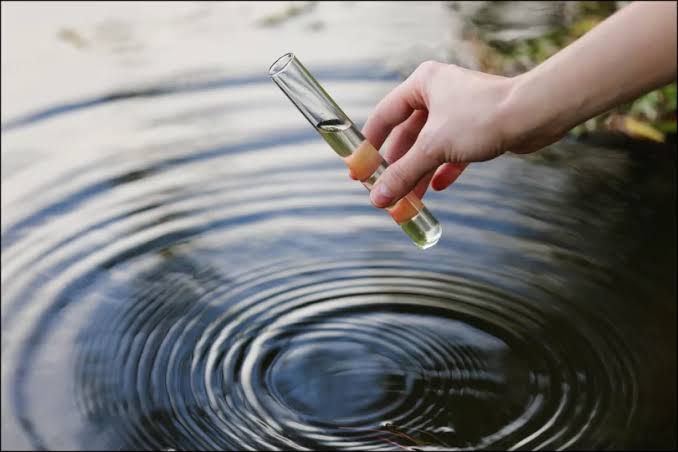
Start With a Water Test, Not a Guess
Buying a filtration system before testing your water is a bit like buying medicine without knowing what’s wrong. It might help, but there’s a good chance you’ll spend money on something you don’t really need.
A proper water analysis can identify issues such as:
- Hardness caused by calcium and magnesium
- Chlorine or chloramine
- Sediment and suspended particles
- Iron and manganese
- Certain heavy metals
- Unpleasant sulfur odors
- Microbial contamination in some private water supplies
- Specific chemicals that may require specialized treatment
Testing is especially useful for homes using private wells because well water can vary with geology, weather, nearby land use, and changes in the groundwater source.
Once the problem is understood, selecting the treatment technology becomes much more straightforward.
City Water and Rural Water Aren’t the Same
There’s no universal water treatment system that works perfectly for every household. Municipal water and private well water can have very different characteristics, and even two homes in the same neighborhood may experience different issues.
That’s why custom systems designed for city and rural water can make more sense than a one-size-fits-all approach. A city home might primarily need improved taste, odor reduction, or additional filtration. A rural property could need sediment filtration, iron removal, water softening, or treatment designed around well-specific conditions.
The size of the household matters, too. Four people taking showers, doing laundry, washing dishes, and using multiple faucets at once have very different demands from a single-person household.
A good system should fit both the water quality and the way the household actually uses water.
Water Softeners vs. Water Filters
These two terms are often used interchangeably, but they solve different problems.
A water softener is primarily designed to address hardness minerals, particularly calcium and magnesium. Reducing hardness can help minimize scale buildup and make everyday cleaning easier.
A water filter, meanwhile, is designed to reduce specific impurities from water. Depending on its technology, a filter may target sediment, chlorine, certain chemicals, or other contaminants.
Reverse osmosis systems are another option, often used at a specific drinking-water tap rather than treating every gallon entering the home. They can provide highly treated water for drinking and cooking, but they aren’t necessarily the best answer for every whole-house water problem.
In other words, “more filtration” isn’t automatically better. The treatment should match the problem.
Whole-Home or Point-of-Use?
Another important decision is where treatment should happen.
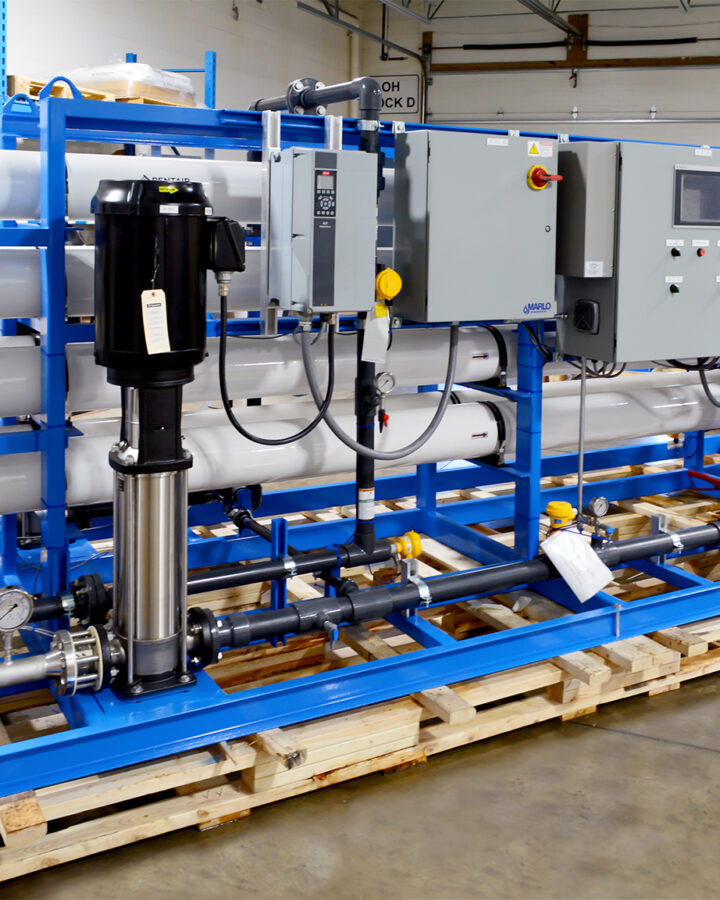
Whole-home systems treat water as it enters the property, allowing treated water to reach showers, sinks, washing machines, and other fixtures. This can be useful when the issue affects the entire water supply, such as significant hardness or sediment.
Point-of-use systems treat water at a particular faucet. They can be practical when the main concern is drinking and cooking water, especially when the household doesn’t need extensive treatment throughout the plumbing system.
There are also situations where combining technologies makes sense. For example, a household might use a whole-home softener while adding a dedicated drinking-water filtration system in the kitchen.
The right setup depends on the water analysis, budget, available space, and household priorities.
Installation Matters More Than People Think
A high-quality treatment system can still perform poorly if it’s installed incorrectly. Plumbing connections, flow rates, drainage requirements, pressure, electrical needs, and available installation space all need to be considered.
Choosing professional installation can help ensure the equipment is correctly connected and configured for the home. A trained installer can also identify practical issues that aren’t always obvious when looking at a product specification sheet.
For larger or more complicated systems, proper installation becomes even more important. A poorly sized system may struggle during periods of heavy water use, while an incorrectly configured unit can waste water or fail to deliver the expected performance.
Professional installation isn’t just about getting the equipment attached to a pipe. It’s about making sure the entire setup works as intended.
Don’t Forget Maintenance
Water treatment equipment isn’t completely “set it and forget it.” Filters eventually become saturated, softeners may require salt or servicing, and some systems need periodic cleaning or replacement components.
Maintenance schedules vary according to the technology and water conditions. A household with heavily sedimented well water, for example, may need more frequent filter changes than a home with relatively clean municipal water.
Ignoring maintenance can reduce performance and, in some cases, create new problems. Keep track of filter replacement dates, follow manufacturer recommendations, and pay attention to changes in taste, odor, pressure, or water appearance.
It’s also smart to retest water periodically when conditions can change, particularly for private wells.
Think Beyond the Price Tag
The cheapest system isn’t always the least expensive option in the long run. Initial purchase price is only one part of the equation.
Consider filter replacement costs, salt consumption, electricity, water usage, maintenance, expected lifespan, and installation expenses. A system that costs slightly more upfront may be a better investment if it operates efficiently and lasts longer.
At the same time, avoid paying for treatment you don’t need. If your water test shows one straightforward issue, there’s little reason to install an elaborate system designed to solve ten different problems.
Good water treatment is about balance.
Making a Confident Choice
The best approach is surprisingly simple: understand your water, identify the actual problem, and then choose technology that addresses it.
Whether you live in a city apartment, a suburban home, or a rural property, clean and pleasant water shouldn’t require guesswork. Start with reliable testing. Look at your household’s water use. Compare treatment options based on what they actually remove or reduce, rather than relying on impressive-sounding marketing claims.
And remember, water treatment isn’t necessarily about chasing “perfect” water. It’s about making informed choices that support your household, protect plumbing and appliances where appropriate, and give you confidence every time you turn on the tap.
Sometimes the smartest solution is also the simplest one: know what’s in your water first, then treat only what needs treating.