Most people don’t think much about their water until something starts to feel off. Maybe the shower door develops stubborn white spots, soap leaves a film on the bathroom sink, or a glass of tap water has an odd taste. These little annoyances can become part of everyday life, but they may also be signs that your home’s water could benefit from treatment.
The tricky part is knowing where to begin. Water treatment systems come in several forms, and each one addresses different concerns. Some reduce hardness minerals, others improve drinking water quality, and specialized equipment can help tackle particular water conditions. Choosing wisely starts with understanding what’s coming out of your tap and what you’d like to improve.
Understanding What’s in Your Water
Water quality varies from one location to another. Municipal supplies are treated to meet applicable drinking water standards, but the water can still contain minerals that affect its taste, smell, or performance around the house. Private well water may have different challenges depending on local geology, nearby agricultural activity, and the condition of the well.
Hard water is a common example. It contains elevated levels of calcium and magnesium, which can leave mineral deposits on faucets, showerheads, glassware, and appliances. You might notice that shampoo doesn’t lather easily or that your water heater develops scale over time.
Other households experience chlorine odors, sediment, metallic tastes, or staining. These problems don’t all have the same cause, which is why testing is so useful. A basic water analysis can measure hardness, pH, and other relevant characteristics. Depending on the source and suspected concerns, additional testing may be necessary.
Once you understand the problem, you can stop guessing and start comparing solutions that make sense for your household.
How Water Softeners Make Everyday Tasks Easier
Hard water isn’t always a serious health concern, but it can be a nuisance. Cleaning takes longer, mineral spots keep returning, and soap residue can make bathrooms feel dirty even after you’ve cleaned them. Over time, scale may also affect the efficiency of water-using appliances.
Kinetico water softeners are among the options homeowners can consider when hardness is a major concern. Conventional ion-exchange softeners work by passing water through resin that exchanges calcium and magnesium ions for sodium or potassium ions. This reduces the minerals responsible for traditional hard-water scale.
The difference can be noticeable in everyday routines. Shower screens may collect fewer mineral deposits, laundry can feel less stiff, and soap may work more effectively. Softened water can also help reduce scale buildup in certain plumbing components and appliances.
Kinetico is known for offering non-electric, water-powered softener designs in its product range. However, operating features and specifications vary by model, so it’s worth checking the details of the particular unit being considered.
A water softener isn’t a universal purifier, though. It doesn’t automatically remove bacteria, pesticides, or every dissolved contaminant. People who need to limit sodium intake should also discuss their drinking water arrangements with a qualified professional. In some homes, keeping an untreated or separately treated drinking water tap is a practical solution.
Improving Drinking Water With Reverse Osmosis
Water that looks clear isn’t necessarily free of every unwanted substance, and water that tastes unpleasant isn’t automatically unsafe. Understanding the difference is important when choosing a drinking water treatment system.
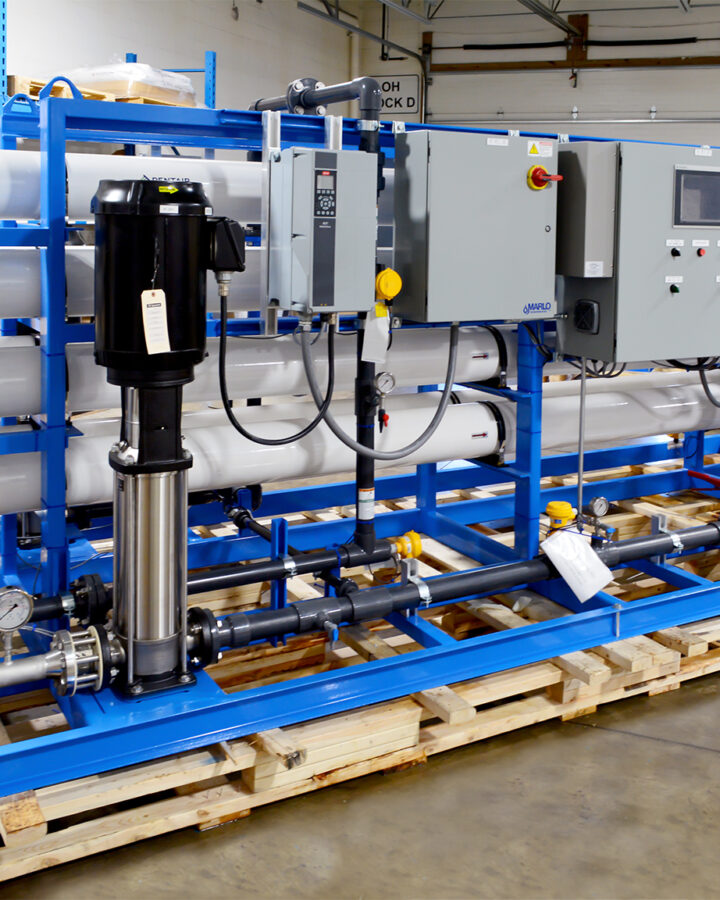
Reverse osmosis uses pressure to move water through a semipermeable membrane, separating much of the dissolved material from the treated water. The effectiveness depends on the system design, membrane performance, and the contaminants involved.
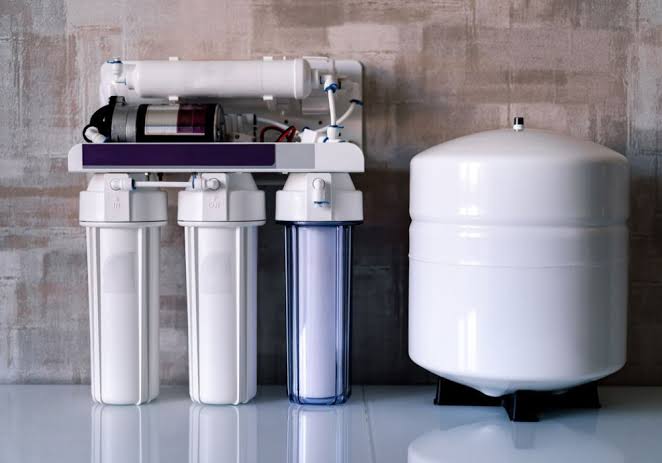
Kinetico reverse osmosis systems offer an option for households looking to improve drinking water through membrane-based treatment. Depending on the specific model and its certified performance, reverse osmosis can reduce various dissolved substances, including certain salts and metals. Many systems combine the membrane with prefilters and carbon filtration to provide multiple stages of treatment.
For a family that regularly drinks tap water, makes coffee, or prepares meals at home, a dedicated drinking water system can be a useful addition. Under-sink units are particularly popular because they provide treated water at a separate faucet without requiring every tap in the house to be connected to the same treatment process.
There are a few things to consider before buying. Reverse osmosis systems produce some wastewater, although the amount varies by design. Filters and membranes require replacement, and some models use storage tanks while others operate without one.
Most importantly, check which contaminants the product is designed and certified to reduce. Not every home needs reverse osmosis, and a suitable carbon filter may be sufficient if the primary concern is chlorine taste or odor.
When Specialized Water Treatment Is Necessary
Some water problems don’t respond well to standard filtration or softening alone. Iron can cause reddish-brown stains, sulfur compounds may produce a rotten-egg smell, and sediment can affect plumbing fixtures and downstream equipment. Certain water sources may also require treatment for specific contaminants identified through testing.
This is where Kinetico specialty equipment may be worth exploring. Depending on the water conditions and product availability, specialized treatment options can be selected to address particular issues that a basic softener or drinking water filter won’t resolve.
For example, a household with iron staining may need an appropriate iron-removal system rather than a standard sediment filter. Water with a persistent sulfur odor may require a treatment method designed for the source and concentration of the problem. If testing identifies a health-related contaminant, the selected equipment should be verified for its ability to reduce that substance.
The important point is to diagnose before purchasing. A filter that works well for one contaminant may have little effect on another. If a salesperson recommends a system without asking about the water source or test results, don’t be afraid to ask for a clearer explanation.
Specialized equipment can be valuable, but only when the technology matches the problem.
Choosing the Right Combination for Your Home
It’s tempting to look for one machine that promises to solve every water concern. In practice, different treatment technologies often work best when their roles are clearly defined.
A home with hard water and unpleasant drinking water may benefit from a softener for the plumbing system and a separate reverse osmosis unit at the kitchen sink. Another property may need only a carbon filter, while a private well with iron or other specific concerns could require additional treatment.
Start by identifying your priorities. Are you mainly trying to reduce scale? Improve drinking water taste? Address a particular contaminant? Your answers will help narrow the options.
Next, consider the practical details. How many people live in the house? How much water does your household use? Is there enough space for installation? What will replacement filters, salt, and annual servicing cost?
Compare product specifications, certifications, warranties, and service availability. The initial purchase price matters, of course, but long-term maintenance can make a substantial difference to the overall value.
A reputable water treatment professional should explain why a system is recommended and what results you can reasonably expect. They should also be clear about its limitations.
Keep Your Water Treatment System Working Properly
Even a good system needs maintenance. Filters become less effective as they collect material, softeners require attention to their operating condition, and reverse osmosis membranes need replacement according to manufacturer guidance.
Follow the recommended maintenance schedule and pay attention to changes in taste, odor, water pressure, or appearance. These changes don’t always indicate a major issue, but they may mean the equipment needs servicing or the water should be tested again.
Private well owners should maintain a regular testing schedule because water quality can change over time. Households using municipal water can also benefit from reviewing local water quality reports and investigating unexpected changes at home.
Better Water Starts With an Informed Decision
Choosing a water treatment system doesn’t have to be overwhelming. The best approach is to understand your water, identify your priorities, and select equipment that addresses those needs without adding unnecessary complexity.
Water softeners help manage hardness, reverse osmosis can provide additional drinking water treatment, and specialized equipment addresses certain problems that require a more targeted solution. Each has a distinct purpose.
Take time to compare your options, ask questions, and account for maintenance as well as installation costs. With the right information, you can make a practical investment that improves daily water use and helps you feel more confident about the water flowing through your home.