Water treatment has come a long way from the days when people simply accepted whatever came out of the tap. Today, homeowners and businesses have access to systems designed to improve taste, reduce unwanted substances, and make daily water use more comfortable. Yet with so many products available, choosing the right one can feel like a chore. A good system matters, of course, but so do the people who install it, maintain it, and help you understand what your water actually needs.
The most reliable approach combines practical advice, suitable equipment, and ongoing support. After all, buying a water treatment system isn’t just a one-time purchase. It’s an investment in something your household or business depends on every single day.
Why Modern Water Treatment Is Changing
Water quality can vary considerably from one property to another. Some homes deal with hard water that leaves chalky deposits on faucets and shower screens. Others experience a strong chlorine taste, sediment, or staining caused by iron. Private wells bring their own considerations because the water source and surrounding environment can influence its composition.
Modern treatment systems are designed to address these different challenges rather than rely on a single solution for everyone. Depending on test results, a property might benefit from sediment filtration, activated carbon, water softening, reverse osmosis, or a combination of technologies.
The key is choosing equipment for a clear reason. A sophisticated system isn’t automatically the best system, especially if it treats problems that don’t exist in your water supply. Testing first can help narrow the options and prevent unnecessary spending.
How Innovative Technology Supports Better Water
Water treatment has benefited from improvements in filtration media, system design, monitoring, and control systems. In some applications, these developments make equipment easier to operate and maintain. In others, they help technicians understand when a filter needs attention or when a system isn’t performing as expected.
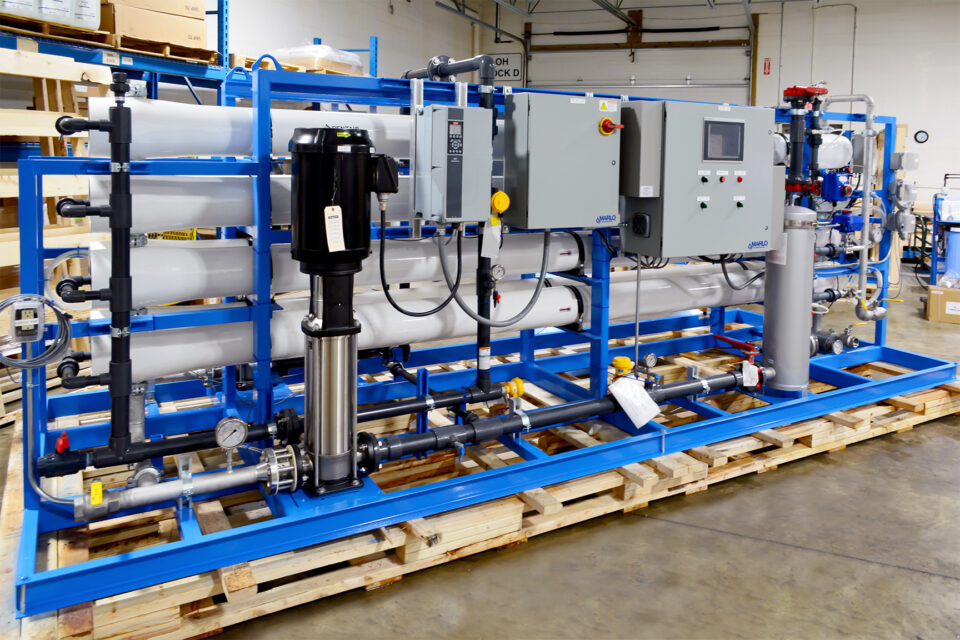
For example, innovative technology can include improved membrane filtration, more efficient control valves, and monitoring features that help track operating conditions. Reverse osmosis systems can reduce many dissolved substances when properly selected and maintained, while activated carbon filters can improve taste and odor by reducing certain compounds. Water softeners address hardness minerals such as calcium and magnesium through ion exchange.
These technologies have different purposes, and it’s useful to understand that distinction. A softener is not a substitute for a drinking-water purifier, and a carbon filter isn’t designed to solve every mineral or microbial concern. The right combination depends on the water analysis, the property’s needs, and the performance claims of the specific equipment.
Technology is most valuable when it solves a real problem without making everyday life unnecessarily complicated.
Why Professional Guidance Matters
Product brochures can provide useful specifications, but they don’t always explain how a system will perform in your particular home. Water pressure, daily demand, plumbing layout, source-water chemistry, and available installation space can all influence the final choice.
A knowledgeable water treatment professional can assess these details before recommending equipment. That conversation should include what the system is expected to reduce, what it won’t remove, how often components need replacement, and what ongoing costs to expect.
For homeowners, this can prevent the frustration of purchasing a unit that doesn’t address the original concern. For businesses, the stakes may be even higher. Restaurants, offices, workshops, and commercial facilities can have different water demands, so equipment capacity and maintenance schedules need to reflect actual usage.
A useful recommendation should be clear enough that you understand why a particular system is being suggested. If the explanation relies entirely on technical jargon or broad promises, it’s reasonable to ask more questions.
The Value of Factory-Trained Service Specialists
Even well-made equipment needs proper installation and routine maintenance. Filters have limited capacities, membranes may require servicing, and mechanical components can wear over time. When these tasks are overlooked, a system may become less efficient or fail to deliver the expected results.
Working with factory trained water service specialists can help ensure that equipment is installed and serviced according to the manufacturer’s procedures. Training may cover system setup, troubleshooting, replacement parts, and recommended maintenance practices for particular product lines.
That expertise is especially helpful when a system develops a problem that isn’t immediately obvious. Reduced water flow, unexpected changes in taste, frequent regeneration, or unusual noises may indicate that something needs attention. A qualified technician can investigate the cause rather than simply replace parts without understanding the issue.
Before arranging service, ask about the technician’s training, experience with your system, and the scope of the visit. It’s also sensible to confirm whether replacement components are appropriate for your equipment and whether any repairs are covered by a warranty.
Good service should leave you with a better understanding of the system, not just a bill and a quick goodbye.
Quality Products Need Consistent Maintenance
A treatment system’s performance depends on more than its initial specifications. Installation quality, regular servicing, and correct replacement intervals all contribute to its long-term reliability.
Sediment filters, for instance, may become clogged as they capture suspended particles. Activated carbon gradually uses its capacity to adsorb certain substances. Reverse osmosis membranes can also lose efficiency or become affected by scale and fouling if the system isn’t maintained properly.
Follow the manufacturer’s instructions for filter changes, cleaning, inspections, and any required sanitization. Don’t assume that water is safe simply because it looks clear or tastes normal. Some contaminants cannot be detected through sight, smell, or taste, which is why appropriate testing remains important.
When comparing providers, look beyond the purchase price. Ask whether maintenance is available locally, how replacement filters are sourced, and whether the company provides clear guidance about recurring costs. A slightly more expensive system may prove more practical if its servicing arrangements are dependable and its replacement parts are easy to obtain.
What to Look for in a Water Treatment Provider
Choosing a provider should involve more than comparing advertisements. Start by checking whether the company takes time to understand your water concerns. If testing is appropriate, ask what it measures and how the results influence the recommendation.
Look for transparent pricing, realistic performance claims, written warranty information, and straightforward maintenance guidance. Independent certifications can also help when they apply to the exact contaminant reduction or performance claim you’re considering.
Ultimately, quality products and service go hand in hand. Reliable equipment can disappoint when installed incorrectly, while attentive technicians can’t make an unsuitable system solve a problem it wasn’t designed to handle. You need both a product that fits the job and support that continues after installation.
It’s also worth considering communication. A provider who answers questions patiently, explains limitations honestly, and tells you when a simpler option will do is often a more reassuring choice than one pushing the most expensive package.
A Better Approach to Everyday Water
Better water doesn’t necessarily require the most elaborate equipment on the market. It starts with understanding the water you have, identifying the problems that matter, and choosing treatment based on reliable information.
Modern technology can make systems more capable and convenient, but professional advice and consistent maintenance remain essential. Take time to compare options, understand ongoing costs, and ask what results you can realistically expect.
When suitable equipment is supported by trained professionals and thoughtful service, water treatment becomes less of a guessing game. It becomes a practical, manageable part of looking after your home or business—and one that can provide value for years to come.