Category: Travel

  • Connecting Through Nature: How Outdoor Activities Strengthen Relationships

    Connecting Through Nature: How Outdoor Activities Strengthen Relationships

    In today’s fast-paced world, we’ve grown accustomed to online communication—likes, comments, and emojis have replaced deep, face-to-face conversations. But have you noticed how the world beyond our screens is growing more distant? Outdoor activities offer a perfect way to step away from digital distractions and reconnect with people in a more meaningful way. In the embrace of nature, we can not only relax but also build stronger, more genuine connections through shared experiences.

    Setting Out Together Is More Meaningful Than Going Alone

    Whether it’s hiking, camping, cycling, or rock climbing, outdoor activities often involve teamwork. You plan routes together, share gear, support each other, and tackle challenges side by side. These shared experiences forge bonds in a way that casual social gatherings never could. A helping hand on a steep trail, a word of encouragement when someone is tired—these simple gestures create warmth and trust between people.

    Nature Helps Us Let Down Our Guard

    Nature has a magical way of making people feel at ease. Surrounded by mountains, lakes, and forests, with the wind on our faces and the sound of birds and flowing water in our ears, we naturally relax. Away from the pressures of urban life, conversations become more genuine. Without the distractions of phones and daily worries, we truly listen to one another, fostering deeper understanding and connection.

    Shared Experiences Create Lasting Memories

    A late-night campfire conversation, sharing snacks on a long hike, or watching the sunrise from a mountaintop—these moments become cherished memories. Unlike fleeting social media interactions, these experiences leave a lasting imprint. Compared to rushed city meetups, outdoor activities cultivate relationships that feel more real and enduring.

    From Strangers to Teammates: The Unique Charm of Outdoor Socializing

    Outdoor activities are also a great way to meet new people. Many lifelong friendships begin on a hiking trail or during a camping trip. With shared goals and common interests, connections form naturally. These bonds, built through mutual support and shared adventure, are often stronger and more genuine than those formed in everyday social settings.

    Step Into Nature, Step Closer to Each Other

    True connection isn’t found in social media notifications—it’s in the miles walked together, the mountains climbed, and the challenges faced side by side. Outdoor activities not only bring us closer to nature but also teach us how to build deep, meaningful relationships.

    Put down your phone, invite a friend, or join an outdoor group. Immerse yourself in nature and experience the warmth of real human connection. Outdoor adventures are not just about personal challenges—they’re about strengthening the bonds that truly matter.

    Click to explore more outdoor gear!—YOUTHUP

  • Trekking in the Shadows of Everest The Gokyo & Base Camp Expedition with a Sherpa Guide

    Trekking in the Shadows of Everest The Gokyo & Base Camp Expedition with a Sherpa Guide

    Trekking beneath the shadow of Everest, Gokyo, and Base Camp expedition is one of the most intimate and richest experiences available in the Himalayas. This trek takes hikers through some of the most breathtaking scenery in the world, with towering snow-capped peaks, crystalline glaciers, and shimmering alpine lakes at every turn. Accompanied by a Sherpa guide, the trek evolves into much more than simply an adventure across rugged terrain—it’s a cultural experience and a glimpse of the spirit of the Khumbu.

    EBC Trek Everest treknas venu no Lukla tvrda letam uzgotavimo i lota, na amu Zäit, we shall get a meting gron asgd (Matrioška) i malunga inaso neu o i ng asu o biddings asatz Tiuas. From Lukla, the path leads through verdant woods, over high-alpine suspension bridges, and into the Sherpa heartland of little villages like Phakding and Namche Bazaar, which provide a taste of local life. This marks the beginning of the acclimatization process, allowing trekkers the time to adjust to the gradually increasing altitude. Native to the region, Sherpas are proficient in high-altitude trekking and act as expert guides, keeping trekkers safe and sharing the spirituality and culture of the region.

    During the trek, you’ll also encounter the iconic Gokyo Lakes—clear, turquoise waters nestled against the backdrop of massive peaks such as Cho Oyu and Makalu. The trek up to Gokyo Ri features spectacular views of Everest, Lhotse, and many other Himalayan peaks. As one makes their way to Everest Base Camp, they are greeted by the sight of Everest itself in all its glory.

    The Sherpa guide’s deep knowledge of the terrain helps keep the group on track, despite the rocky trails, glaciers, and icefalls they may find themselves navigating along the way. This expedition is more than a series of physical challenges; it’s a deep tether to the mountains and the people who live alongside them. One of the things that has stuck with me forever when trekking in the shadows of Everest as a testimony to the beauty and resilience of the Himalayas.

    The Gokyo & Everest Base Camp Expedition – An Introduction

    The Gokyo and Everest Base Camp Expedition is among the most popular and rewarding trekking adventures in the region, leaving visitors with a mix of adrenaline-fueled excitement and peaceful experiences in the Gokyo Valley. This hike leads you through some of the planet’s most magnificent scenery, past views of Everest, Lhotse, Cho Oyu, and Makalu, to name a few. The adventure starts in Kathmandu, where trekkers take a scenic flight to Lukla, the gateway of the Everest region. From there, the trek follows the well-trodden paths through Sherpa villages, monasteries,  and ancient forests, slowly ascending the Himalayas. The Gokyo and Everest Base Camp trek is a perfect combination of scenic vistas and mountain culture. As they go, trekkers will soak in Sherpa culture and traditions, drop in on centuries-old Buddhist monasteries, and encounter the difficulties of high-altitude trekking. This trek is perfect for travelers who want a physically demanding adventure that incorporates both iconic views of Mount Everest and the peaceful scenery of the Gokyo Lakes. With a duration of approximately 12-16 days depending on the planned itinerary and pace, the journey provides a memorable experience for both seasoned trekkers and those seeking a significant challenge at high altitude in the majestic Himalayas.

    Why Trek with a Sherpa Guide?

    Gokyo and Everest Base Camp trek packing list Although there are many more reasons to trek with a Sherpa guide in the Himalayas, here are some main advantages of traveling with one that can make your experience not only safer but also more rewarding on various levels. Sherpas are indigenous to the Everest region and have extensive knowledge of the terrain, weather patterns, and hazards. They are second to none when it comes to handling the arduous mountain trails and with decades of experience guiding hikers under difficult conditions. In addition to this, Sherpa guides also significantly contribute to your safety and well-being by guiding you through the risks associated with altitude sickness, monitoring your response to altitude, advising on acclimatization, and knowing when to descend if need be. Also, a Sherpa guide has an extensive cultural lens of the region and this can allow them to share valuable information about the culture and customs of the area and the lives of the Sherpa people. It adds depth to the overall experience as it allows trekkers to have a better taste of culture. In addition to their technical knowledge, Sherpas engage their hospitality and warmth, ensuring that trekkers can stay safe and relaxed throughout the journey. Many trekkers also take Sherpas to carry their gear, which frees them to just concentrate on the experience without breaking a sweat with heavy backpacks. Trekking with a Sherpa guide can elevate an already spectacular adventure into a bucket-list experience —providing both practical support and an authentic link to the culture of the Everest region.

    Introductory Essentials: Clothing, Permits, Training

    We all have a way of preparing for a better and awesome Gokyo to Everest Base Camp trek. Top of the list for trekkers is obtaining the requisite permits. This includes a TIMS (Trekkers’ Information Management System) card, necessitated for every trekker in Nepal, and a Sagarmatha National Park permit, which gives access to the Everest region. The permits are available in Kathmandu or at the entrance to the park. Next, it is important to prepare your gear so you can be comfortable and safe in the high-altitude environment. Basic attire consists of moisture-wicking base layers, a warm-down jacket, a waterproof and windproof shell, trekking boots, and a solid cold-weather sleeping bag. A decent backpack, trekking poles, and a good pair of sunglasses will also come in handy, while a headlamp will prove useful for trekking early in the day or late in the evening. Being healthy is also a critical part of preparation. Trekking ensures that travelers are fit and they can get cardiovascular training and body weight training before the trekking. You might also want to speak to your doctor about altitude sickness prevention and pick up any necessary medications like Diamox. Hydration, healthy snacks, and sun protection are key at the same time when trekking as high altitude weather is pernicious. With the right training, planning, and preparation, trekkers will be set to tackle the challenges this epic adventure presents!

    Vargis’ picks for the best time to trek: Weather and seasons

    When to go on the Gokyo and Everest Base Camp trek? Spring and autumn are the best seasons for trekking in Nepal. During spring (late March to May), the weather is mild, the skies are clear, and the landscape is in bloom; the country is a riot of color with flowers and green shoots. For example, this is one of the most popular times to trek in the Everest region (when the weather is relatively stable and you can enjoy breathtaking views of the tower peaks). Another great trekking season is autumn (late September to November), when temperatures are crisp and clear after the monsoon rains. Fall has cooler temps than spring, but less rain and clear skies, it’s a great time of year for trekking. Winter months (December to February) are usually too chilly to trek comfortably, and temperatures fall beneath freezing at greater altitudes, rendering the trip far more challenging and hazardous. Similarly, during the monsoon season (from June to September), heavy rain increases the ripple effect of landslides and trail closures. Thus, we will be going trekking in either spring or autumn to ensure that the weather is perfect and not too much rain falls so that we can see the best view of the Himalayan mountain that shines during that perfect weather.

    Days 1-3: Journey from Lukla to Namche Bazaar

    Gokyo and EBC trek accommodation Please note: The first three days of the Gokyo and Everest Base Camp trek are acclimatization days as well as gradual ascent to higher altitudes. Trek starts with a very short walk from our flight destination Lukla to Phakding. The Everest gateway, Lukla is located at an altitude of 2,860m (9,383ft). From Phakding, trekkers take the path through forests, over suspension bridges, and up to the lively town of Namche Bazaar, at 3,440 meters (11,290 feet). The hike from Lukla to Namche takes about two days with an overnight stop at the village of Monjo, just within the borders of the Sagarmatha National Park. Along this route, trekkers are rewarded with magnificent views of the surrounding mountains, as well as the Dudh Koshi River. The ascent to Namche is steep, but not impossible, and the speed is kept slow to facilitate acclimatization. Namche Bazaar: This bustling stopover is a popular place for trekkers to settle before heading deeper into the Everest region, and is a good place to rest and stock up on supplies. For the next couple of days, trekkers have the option to explore the village, visit the local market, and even take short hikes to higher elevations (like the viewpoint above Namche) to get acclimatized to the altitude and prepare for the tougher sections of the trek ahead.

    Day 4-6: Acclimatization and Surveying Namche Bazaar

    Gokyo and Everest Base Camp Trek Day 4-6: Acclimatization Days Namche Bazaar, at 3,440 meters (11,290 feet), is a vital acclimatization stop, a chance for trekkers to rest, explore, and let their bodies adjust to the thinner air. Elements of Acclimation: Acclimatization days are important to prevent altitude sickness and enjoy your trek. It is also the recommended period for trekkers to make short excursions to slightly higher points, such as the Everest View Hotel and the Sherpa Museum, which both command panoramic vision of Mount Everest and neighboring peaks. These hikes are not demanding, but they help acclimatize the body to the higher elevations. There are teahouses, shops, and even internet cafes in Namche Bazaar, where trekkers can buy extra supplies or contact friends and family. It is a busy hub of activity for trekkers as well as locals, so it gives you a great chance to soak up some traditional culture! In the evenings, as trekkers rest in teahouses, they recount stories with other adventurers, gearing up for the next stage of their trek to Everest Base Camp or Gokyo Valley. These days of acclimatization are essential for helping trekkers be physically prepared for the challenges of higher altitudes.

    Day 7 – 9: Trek to Gokyo Lakes and Explore the Valley

    The next three days of the Gokyo and Everest Base Camp trek move into the beautiful Gokyo Valley — possibly some of the most scenic territory you will see in all of the Himalayas! Dole– After leaving Namche Bazaar on Day 7, trekkers head up towards Dole. On Day 8, the trek arrives in Machhermo, with your first view of the Gokyo Lakes in the distance. As the altitude increases, so does the difficulty of the trek itself — yet the idyllic surrounding keeps trekkers energized.

    On Day 9, you’ll arrive at Gokyo Lakes, a series of sparkling turquoise lakes above 15,000 feet between gigantic peaks like Cho Oyu and Makalu. The rugged hills surrounding the lakes provide a peaceful setting conducive to reflection and relaxation. Enjoy a day exploring the lakes and acclimatizing to the altitude before the climb up to Gokyo Ri, delivering arguably the best views in the world. From this vantage point, trekkers can see Everest, Lhotse, Makalu, and surrounding peaks in a stunning 360-degree panorama. The days here in the Gokyo Valley provide a welcome break from the tougher portions of the trek and serve as a serene contrast to the hike further up.

    Day 10~12: Cho La Pass and Everest Base CampCrossing

    The most difficult stages of the trek occur between days 10 and 12, as trekkers pass over the daunting Cho La Pass and arrive at Everest Base Camp. On day 10, we start crossing the Cho La Pass, the highest point of the trek. The ascent is steep and technical, with parts requiring navigating rocky terrain, glaciers, and snowfields. Being that we are over 5,300 meters (17,400 feet) in altitude at Cho La Pass, this is a long physically demanding day. But there is an unrivaled sense of achievement in walking to the pass, with glorious views of the surrounding peaks.

    After descending Cho La Pass, trekkers trek towards Lobuche, where they will rest and prepare for the final leg to Everest Base Camp. Day 12 arrives and with it the all-important arrival at Everest Base Camp itself. The trek toward the base camp is surreal, as hikers stumble over rock-strewn paths and across glaciers and icefalls, approaching the mammoth Khumbu Icefall. It’s safe to represent at the base of Everest, feeling the profound achievement and proclaiming the beauty of the world’s tallest mountain. These are the toughest and most physically demanding days of the trek, and also the core of the journey, with no comparison in views and connection with the Himalayas.

    Insights on culture: Sherpa life and Himalayan culture

    The Gokyo and Everest Base Camp trek also provides trekkers with a rare opportunity to experience the culture of the Sherpa people whose lives are tightly woven into the fabric of the mountains they call home. The Sherpas—an ethnic group hailing from eastern parts of Tibet—migrated to Nepal hundreds of years ago, and have since achieved fame around the world as seasoned climbers and guides. You can see their deep spiritual connection to the Himalayas in their everyday lifestyle. You’ll walk through colorful Sherpa villages such as Namche Bazaar, Tengboche, and Dingboche, which are lined with traditional stone homes, Buddhist stupas, and prayer flags swirling in the air.

    Everest Gokyo trek transportation options Buddhism is an important part of Sherpa life, so you will see monks, monasteries, and chortens (stupas) during the trek. One of the most well-known is the Tengboche Monastery, which provides trekkers with one of the most beautiful places to both rest and reflect as well as gain an insight into the spiritual practices of the Sherpas. The Sherpas’ belief system encompasses a deep reverence for the mountains and the natural world, and their rituals serve to honor the spirits of the earth, ensuring the protection and well-being of travelers and practitioners in the region.

    Through interactions with the Sherpas, you will also discover their daily practices, from farming and livestock herding to their role in the trekking industry. Their hospitality, resilience, and deep-rooted cultural traditions enrich the trekking experience, providing you with a local presence that adds cultural depth to your journey.

    References: Acclimatize for Altitude Health

    The high-altitude trekking in Gokyo and Everest Base Camp region must be considered with health caution, especially acclimatization. Above 2,500 meters (8,200 feet), the air has less oxygen, and trekkers are susceptible to altitude sickness, which happens when the body has trouble adjusting to lower levels of oxygen. Altitude sickness can cause headaches, dizziness, nausea, and shortness of breath, and if not treated, can progress to life-threatening conditions including High Altitude Pulmonary Edema (HAPE) or High Altitude Cerebral Edema (HACE).

    The best way to avoid altitude sickness is to acclimatize gradually. This means climbing slowly, so the body has time to adjust to the thinning air. One widely used method is the “climb high, sleep low”: Trekkers climb to a higher altitude during the day, then return to a lower elevation to sleep. Also, resting in vital places like Namche Bazaar and Dingboche allows the body to acclimatize before moving onward.

    Hydration is a key component of altitude management as well. Water intake: Dehydration worsens symptoms of altitude sickness, and trekkers should be drinking enough water throughout the day. It is also critical to eat higher-calorie foods to sustain energy levels, as exertion naturally demands more as altitude increases. Utilizing these acclimatization tips, however, allows trekkers to minimize the dangers of trekking at high altitudes and make for a safe and enjoyable trip.

    Understanding the Role of a Sherpa: Guides on the Journey

    To keep you safe and help you succeed on the Gokyo and Everest Base Camp trek, you also should hire a Sherpa guide. Sherpas, known as some of the best high-altitude trekkers in the world, possess a profound understanding of the region’s terrain, weather patterns, and cultural customs. Sherpas are a people native to the Himalayas, highly adapted to the demands of the high-altitude environment, and have become near-synonymous with adventure tourism over the years and their knowledge and skills are invaluable in the treks to Everest Base Camp and the Gokyo Lakes.

    By far the most significant role of the Sherpa is guiding trekkers on treacherous and sometimes dangerous paths. From crossing glaciers or navigating steep ascents to finding safe passage through rocky or icy sections, the Sherpa’s local knowledge and experience are invaluable to the safety of trekkers. Sherpas are trained to recognize and respond to early signs of altitude sickness and are also familiar with how to get help — useful because trekkers can sometimes need medical assistance.

    As guides, sherpas play a huge part, but it is not just guiding these guys are also cultural ambassadors, offering trekkers a glimpse into local life, from spiritual beliefs to the day-to-day. They teach about Buddhism, the history of the area, and the struggles of the Sherpa people. This cultural exchange adds depth to the trekking experience, making the journey not only physically rewarding but also culturally enriching. The Gokyo and Everest Base Camp trek is an incredible experience to be sure, but the expertise and support provided by the Sherpa guide make it all the more enjoyable and safe.

    Last Thoughts: The Gokyo & Everest Base Camp Hike Benefits

    👉 Gokyo and Everest Base Camp trek | A once-in-a-lifetime experience While completing this trek, you will be rewarded with more than simply monumental views of Everest and Gokyo Lakes. On the trek, every footstep brings me closer to the mighty range itself, filling me with a sense of reverence for the raw might and beauty of the highest peaks on Earth, and insight into the profound spiritual connection of the Sherpa people to their homeland.

    Permits for Gokyo and Everest Base Camp Trek For trekkers, standing at the foot of the world’s tallest mountain and gazing up at the Khumbu Icefall and surrounding peaks is a humbling and profound experience, and reaching Everest Base Camp is an iconic moment. The Gokyo Lakes, a reward in itself, as well as the views from Gokyo Ri rank equally as some of the most breathtaking scenery in the Himalayas.

    The Sherpas make for excellent guides who keep an eye on both safety and cultural background. Aside from this, their experience, kindness, and knowledge of the land and customs transform the trek into an immersive journey that combines the challenge of trekking with cultural experience.

    The highlights of the Gokyo and Everest Base Camp trek are not only in the stunning teams but the memories formed whilst traversing through, memories which include resilience, being part of a culture as rich as the vistas, and witnessing the wilderness at its finest. This trek adds a scar to the soul and is the kind of hike that many trekkers dream of and remember for a lifetime.

  • Experience Amsterdam Like Never Before with a Guided Bike Tour in Amsterdam

    Experience Amsterdam Like Never Before with a Guided Bike Tour in Amsterdam

    Amsterdam, the cycling capital of the world, offers a unique and exciting way to explore its historic streets, scenic canals, and vibrant culture—on two wheels! Whether you’re a history buff, an adventure seeker, or a casual traveler, a Guided Bike Tour in Amsterdam is the perfect way to see the city up close.

    Why Choose a Cycling Tour in Amsterdam?

    The Netherlands is famous for its bike-friendly infrastructure, and Amsterdam is no exception. The city boasts over 400 km of dedicated cycling paths, making it a haven for cyclists. Instead of being stuck in traffic or crammed in public transport, a Cycling Tour in Amsterdam allows you to:

    • Discover hidden gems and local hotspots
    • Ride safely with experienced guides
    • Learn about Amsterdam’s rich history and culture
    • Enjoy an eco-friendly and healthy mode of transport

    Best Routes for a Guided Bike Tour in Amsterdam

    1. The Historic City Center

    Pedal through the heart of Amsterdam and witness stunning architecture, centuries-old bridges, and lively squares. Some key stops include:

    • Dam Square – The city’s historic center with the Royal Palace and National Monument.
    • The Jordaan District – A trendy area filled with cozy cafés, art galleries, and boutique shops.
    • The Anne Frank House – A must-visit landmark that tells the story of Anne Frank’s life during WWII.

    2. Vondelpark and Museumplein

    For nature lovers, cycling through Vondelpark is a peaceful and scenic experience. You can also visit Museumplein, home to famous museums like the Rijksmuseum, Van Gogh Museum, and Stedelijk Museum.

    3. Canal Belt Tour

    Amsterdam’s UNESCO-listed Canal Belt is breathtakingly beautiful. Ride alongside picturesque waterways, charming houseboats, and iconic canal bridges while learning about the city’s maritime history.

    4. The Countryside Tour

    Escape the busy streets and head towards the Dutch countryside, where you can:

    • Explore the Zaanse Schans Windmill Village
    • Visit a traditional cheese farm
    • Experience the serene beauty of green fields and waterways

    The Comfort of an E-Bike Tour in Amsterdam

    For those who want a more relaxed and effortless ride, an E-Bike Tour in Amsterdam is a fantastic option. With an electric bike, you can:

    • Cover longer distances without getting exhausted
    • Ride comfortably at a steady pace
    • Enjoy the experience without worrying about fatigue

    An E-Bike Tour in Amsterdam is perfect for seniors, families with kids, and anyone who wants to explore more in less time.

    Benefits of a Guided Tour in Amsterdam

    1. Local Insights

    A knowledgeable guide makes all the difference! With a Guided Tour in Amsterdam, you’ll hear fascinating stories, historical facts, and local legends that you wouldn’t find in a guidebook.

    2. Safety First

    Navigating a new city on a bike can be tricky, but a guide ensures you stay on safe paths, follow traffic rules, and enjoy a stress-free ride.

    3. Customizable Experiences

    Whether you want a family-friendly ride, a romantic sunset bike tour, or an adventurous countryside trip, there’s a Guided Tour in Amsterdam tailored to your interests.

    What to Bring for Your Cycling Tour in Amsterdam

    To have the best experience, make sure to bring:
    ✅ A comfortable outfit and sturdy shoes
    ✅ A raincoat (just in case of sudden Dutch weather changes)
    ✅ A water bottle and some snacks
    ✅ A camera to capture the scenic beauty

    Book Your Guided Bike Tour in Amsterdam Today!

    Amsterdam is best explored on two wheels, and a Guided Bike Tour in Amsterdam guarantees an unforgettable adventure. Whether you choose a classic Cycling Tour in Amsterdam, a relaxing E-Bike Tour in Amsterdam, or a specialized Guided Tour in Amsterdam, you’re in for a memorable ride through one of Europe’s most charming cities.

    🚲 Ready to explore? Book your Guided Bike Tour in Amsterdam now and experience the magic of the city like a true local! 🚲

  • Sundarban Tour: A Thrilling Escape into Nature’s Wilderness

    Sundarban Tour: A Thrilling Escape into Nature’s Wilderness

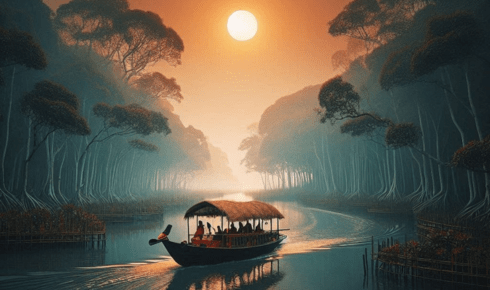
    A Sundarban tour is a dream come true for nature lovers, adventure seekers, and wildlife enthusiasts. As the world’s largest mangrove forest and home to the majestic Royal Bengal Tiger, Sundarbans offer an unforgettable experience filled with rich biodiversity, stunning landscapes, and thrilling boat safaris. Whether you are planning a short trip or an extended adventure, various Sundarban tour packages cater to all types of travelers.

    For those in Kolkata, this breathtaking destination is just a few hours away, making a Sundarban tour from Kolkata an ideal weekend getaway. From mesmerizing sunrise views to exciting wildlife encounters, Sundarbans promise a journey like no other.

    Why Choose a Sundarban Tour?

    A visit to the Sundarbans is not just about spotting tigers; it’s about immersing yourself in the beauty of nature. Here’s why a sundarban tour should be on your travel list:

    • Wildlife Safari: Spot exotic animals like saltwater crocodiles, spotted deer, wild boars, and the elusive Royal Bengal Tiger.
    • Scenic Boat Rides: Cruise through narrow creeks and rivers for a peaceful yet adventurous experience.
    • Rich Birdlife: Witness a variety of migratory and resident birds, making it a paradise for birdwatchers.
    • Cultural Experiences: Visit local villages and experience the traditional lifestyle of the Sundarbans.
    • Eco-Tourism Destination: Enjoy a responsible travel experience in one of the world’s most sensitive ecosystems.

    Popular Sundarban Tour Packages

    There are several sundarban tour packages available, each offering a unique way to explore this mesmerizing region.

    1. One-Day Sundarban Tour

    • Ideal for those short on time.
    • Includes boat safaris, sightseeing, and a visit to watchtowers.
    • Covers major spots like Sajnekhali and Sudhanyakhali.

    2. Two-Day Sundarban Tour

    • A well-paced trip with an overnight stay.
    • Includes extended boat safaris, cultural performances, and local village visits.
    • Covers additional attractions like Dobanki Canopy Walk and Pakhiralaya.

    3. Three-Day Sundarban Wildlife Safari

    • Perfect for nature lovers and adventure enthusiasts.
    • Offers in-depth jungle exploration and higher chances of spotting tigers.
    • Includes visits to Netidhopani Temple, Bonnie Camp, and the remote areas of the forest.

    How to Reach Sundarbans from Kolkata

    If you’re planning a sundarban tour from kolkata, here’s how you can reach this incredible destination:

    By Road

    • Drive or hire a cab from Kolkata to Godkhali (approx. 100 km, 3-4 hours).
    • From Godkhali, take a boat to enter Sundarbans.

    By Train

    • Take a local train from Sealdah to Canning (1.5 hours).
    • From Canning, hire a cab or auto to reach Godkhali.

    By Boat

    • Private and group boat services are available from Kolkata, offering a more scenic and relaxing journey.

    Best Time to Visit Sundarbans

    The ideal time to visit Sundarbans is between October and March, when the weather is pleasant, and wildlife sightings are frequent. Summers can be hot and humid, while monsoons bring heavy rainfall, making travel difficult.

    Top Attractions in Sundarbans

    1. Sajnekhali Watchtower

    Offers a fantastic view of the forest and is home to the Mangrove Interpretation Centre.

    2. Sudhanyakhali Watchtower

    One of the best spots for tiger sightings and observing crocodiles, deer, and birds.

    3. Dobanki Canopy Walk

    A thrilling elevated walkway providing a bird’s-eye view of the forest.

    4. Netidhopani Temple

    An ancient temple located deep inside the forest, adding a historical touch to your trip.

    5. Pakhiralaya – Birdwatching Paradise

    A must-visit for bird lovers, especially during winter when migratory birds arrive.

    Things to Remember for a Sundarban Tour

    • Wear Comfortable Clothing: Light, breathable fabrics are best for humid conditions.
    • Carry Essentials: Binoculars, cameras, sunscreen, and insect repellent.
    • Respect Nature: Follow eco-tourism rules and avoid littering.
    • Stay Safe: Always follow the guide’s instructions and avoid venturing alone into restricted areas.
    • Book in Advance: Sundarbans is a popular destination, so it’s best to secure your Sundarban tour packages early.

    Conclusion

    A Sundarban tour is a once-in-a-lifetime experience that offers adventure, relaxation, and the chance to explore one of the most unique ecosystems on Earth. Whether you’re planning a short trip or an extended wildlife safari, Sundarbans promise memories that will last forever. Book your Sundarban tour packages today and get ready for an unforgettable journey!

  • How to Apply Visa to China

    How to Apply Visa to China

    Embarking on a China tour? Begin by confirming your visa requirements. With various visa types available, from leisure to business, knowing what you need is key. Gather your documents, including a valid passport and recent photo, to streamline your visa application process and pave the way for an exceptional Chinese adventure.

    1. Check to see if you need a visa

    For seamless private China tours, verify visa requirements. Certain nationalities enjoy visa-free stays, up to 30 days in Hainan and 15-30 days elsewhere. Transit without a visa is possible under 24 hours with a confirmed flight. For extended visits, 54 cities offer a 10-day exemption. Non-Chinese residents of Hong Kong and Macao can get a 5-year travel permit for multiple 90-day visits. Check the official site or embassy for updates.

    2. Choose The Right Visa Type for China Tours

    Before planning a China tour, you should determine the visa type you need: the L visa for leisure, M for business, X for students, Q or S for visiting relatives. Each has specific criteria. For detailed L visa application guidance, consult the Chinese embassy or China Consular Affairs portal. For other purposes, explore regional embassy sites for tailored information. Ensure your documents are in order for a hassle-free entry into China.

    3. Essential Documentation for Chinese Visa Application

    When applying for your visa to China, it’s essential to gather all necessary documents. Start with a valid passport that has at least six months of validity beyond your arrival date and includes two blank pages for the visa. You’ll also need a recent passport-sized photo with a white background.

    Additional document requirements vary based on your nationality and city of origin. You may need multiple copies of your flight itinerary and hotel bookings, or an invitation letter from a host in China detailing your personal information and accommodation. If you have held a Chinese visa before, include a copy of it with your application.

    If you’re applying for a visa outside your home country, be prepared to provide proof of legal residence. Since requirements differ by country, it’s advisable to check your local Chinese embassy’s website or the Chinese Visa Application Service Centre for specific details.

    4. Visa Application Submission and Collection Process

    After filling out the online visa application form, don’t forget to print it, sign it where required, and prepare hard copies of your supporting documents along with your passport-sized photo. Submit your application in person at the local visa office—verify if appointments are necessary or if drop-in submissions are accepted. Some offices may offer mail-in submission as well.

    Standard visa processing takes four business days, but for urgent needs, an express service is available for a quicker three-day turnaround at an additional cost. Applications can be made up to three months prior to travel, as tourist visas are valid for 180 days.

    Upon collecting your visa, verify all details for accuracy and pay the fees as indicated by the visa office. Always stay informed about the most current travel advisories for your destination.

  • Everest Base Camp Helicopter Tour – 1 Day – Experience the Majesty of the Himalayas from the Sky

    Everest Base Camp Helicopter Tour – 1 Day – Experience the Majesty of the Himalayas from the Sky

    For those eager to witness the grandeur of Mount Everest but with limited time, the Everest Base Camp Helicopter Tour – 1 Day offers a breathtaking solution. This exhilarating aerial journey provides unparalleled views of the world’s highest peak and its surrounding peaks, all within a single day. Ideal for travelers who want to experience the Himalayas’ majesty without the strenuous trek, this tour delivers a unique and memorable adventure.

    Overview of the Everest Base Camp Helicopter Tour

    The Everest Base Camp Helicopter Tour – 1 Day is a luxury expedition that combines convenience with spectacular panoramic views. Departing from Kathmandu, this tour offers a quick and comfortable way to see Everest and its neighboring peaks, providing a once-in-a-lifetime experience without the physical demands of traditional trekking.

    What to Expect on the Tour

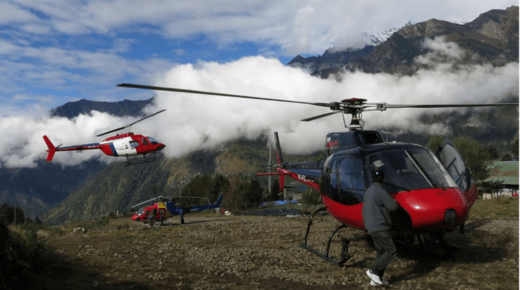
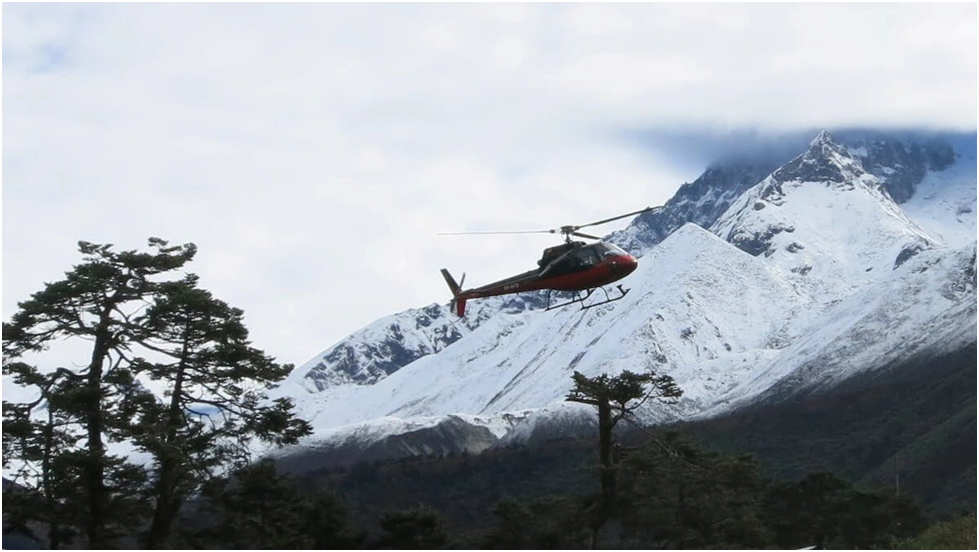
    • Scenic Flight: The tour begins with a scenic flight from Kathmandu’s Tribhuvan International Airport to Lukla, a small mountain airstrip in the Everest region. From Lukla, the helicopter continues its ascent towards Everest Base Camp. Along the way, you’ll be treated to breathtaking views of the Himalayas, including the iconic Everest, Lhotse, Nuptse, and Makalu. The aerial perspective allows you to appreciate the sheer scale and beauty of these towering peaks.
    • Everest Base Camp Stop: Upon reaching Everest Base Camp, the helicopter lands for a brief stop. This moment offers a chance to take in the incredible surroundings, including the Khumbu Icefall and the surrounding peaks. Although the stop is short, it provides ample time for photographs and to soak in the dramatic scenery.
    • Breakfast with a View: After the stop at Everest Base Camp, the tour typically includes a meal at the Everest View Hotel, situated at a lower altitude in the Tengboche region. This hotel boasts panoramic views of Everest and other peaks, providing a perfect setting for breakfast or lunch.
    • Return Journey: The return flight takes you back to Kathmandu, offering more spectacular aerial views of the Himalayas. The entire journey usually lasts around 4-5 hours, making it a feasible day trip for those with limited time.

    Best Time to Take the Tour

    The optimal times for the Everest Base Camp Helicopter Tour – 1 Day are during the pre-monsoon (March to May) and post-monsoon (September to November) seasons. During these periods, the weather is generally clear, providing the best visibility for viewing the Himalayan peaks. The winter months can be cold and may have snow, while the monsoon season brings clouds and rain, potentially affecting visibility.

    Preparation and Tips

    While the Everest Base Camp Helicopter Tour – 1 Day is less physically demanding than trekking, it’s essential to dress warmly due to the high-altitude environment. Bring layers, including a warm jacket, and ensure your camera or smartphone is ready for capturing the stunning vistas. Booking with a reputable tour operator ensures a smooth experience, including proper safety measures and professional guidance.

    Conclusion

    The Everest Base Camp Helicopter Tour – 1 Day provides an extraordinary way to experience the splendor of Mount Everest and the surrounding Himalayas. Perfect for those short on time but eager to witness the world’s highest peak, this helicopter tour combines comfort, convenience, and breathtaking views. Embark on this unique journey and make unforgettable memories as you soar above the majestic heights of Everest.

  • Exploring the Enigmatic Beauty of Sundarban – A Memorable Tour Experience

    Exploring the Enigmatic Beauty of Sundarban – A Memorable Tour Experience

    Sundarban, with its enchanting mangrove forests and diverse wildlife, is a destination that beckons adventure seekers and nature enthusiasts alike. This article will take you on a journey through the mystic realm of Sundarban, covering everything from thrilling tours to travel packages and tour operators. Buckle up as we explore this unique ecosystem and uncover the secrets of Sundarban.

    What is Sundarban?

    Nestled in the delta region of the Bay of Bengal, Sundarban is the largest mangrove forest in the world. It spans across India and Bangladesh, creating an intricate network of waterways, tidal rivers, and lush greenery. This UNESCO World Heritage Site is renowned for its biodiversity and the elusive Bengal tiger.

    Sundarban Tour: An Adventure Awaits

    1. Planning Your Sundarban Adventure

    Before embarking on your sundarban tour, meticulous planning is crucial. Research tour operators, check for available packages, and prepare a checklist of essentials. Ensure your travel documents are in order, and you’re ready for an adventure of a lifetime.

    2. Choosing the Right Tour Package

    Sundarban offers a plethora of tour packages catering to different preferences and budgets. From budget-friendly options to luxury cruises, there’s something for everyone. Select a package that suits your needs and allows you to explore the region’s natural beauty comfortably.

    3. Navigating the Sundarbans

    The Sundarbans are a complex maze of waterways. Your tour operator will guide you through the labyrinthine channels, ensuring you witness the mesmerizing beauty of this unique ecosystem. Be prepared to navigate narrow creeks and witness the rich flora and fauna along the way.

    4. Wildlife Encounters

    One of the primary attractions of Sundarban is its wildlife. Keep your camera ready to capture glimpses of the elusive Bengal tiger, saltwater crocodile, and various species of birds and reptiles. The thrill of spotting these creatures in their natural habitat is unparalleled.

    Sundarban Tour Operators: Your Guides to Adventure

    5. Picking the Right Tour Operator

    Choosing a reliable sundarban tour operator is paramount for a successful Sundarban tour. Look for experienced operators with a track record of safe and informative journeys. They will ensure your safety and provide insights into the region’s ecology and culture.

    6. Safety Precautions

    While the Sundarbans are a paradise for nature enthusiasts, they can be unforgiving to the unprepared. Follow your tour operator’s safety instructions diligently. Wear appropriate clothing and gear, and be cautious during boat rides and jungle walks.

    7. Eco-Tourism and Conservation

    Many tour operators in Sundarban promote eco-tourism and support conservation efforts. By choosing such operators, you contribute to the preservation of this fragile ecosystem and its wildlife. It’s a rewarding way to enjoy your trip while making a positive impact.

    A Sundarban tour is a journey into the heart of nature’s wonderland. From the dense mangrove forests to the thrilling wildlife encounters, this destination promises an unforgettable adventure. So, pack your bags, follow the call of the wild, and immerse yourself in the captivating beauty of Sundarban.