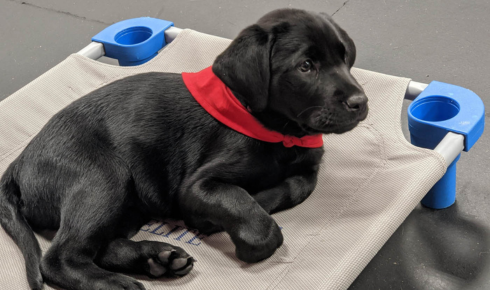
Bringing home a puppy is exciting, but it also comes with challenges. Puppies are naturally curious, energetic, and easily distracted. Without proper guidance, those distractions can lead to jumping, leash pulling, barking, and difficulty following commands. That is why many owners are now turning to puppy focus building classes Phoenix to establish reliable attention and communication from the beginning.
At Rob’s Dog Training, we believe focus is one of the most important foundations of obedience. Before a puppy can master commands, they first need to learn how to pay attention in different environments. Building that attention early creates a smoother training experience and strengthens the relationship between dogs and their owners.
What Are Puppy Focus Building Classes?
Puppy focus classes are structured training sessions designed to teach puppies how to stay engaged with their handlers despite distractions. These classes emphasize concentration, responsiveness, and calm behavior in real-world situations.
Unlike traditional obedience-only programs, focus-building classes address the mental side of training. Puppies learn to:
- Make eye contact consistently
- Respond to their names
- Ignore environmental distractions
- Stay calm around people and dogs
- Follow commands with reliability
- Build confidence in unfamiliar settings
This training becomes especially valuable in busy environments like parks, sidewalks, pet stores, and public spaces throughout Phoenix.
Why Early Focus Training Is Important
The first several months of a puppy’s life are critical for behavioral development. During this stage, puppies absorb information quickly and begin forming habits that can last into adulthood.
Without guidance, puppies may develop patterns such as:
- Constant pulling on the leash
- Ignoring commands outdoors
- Excessive excitement around strangers
- Poor impulse control
- Difficulty settling indoors
Early focus training helps redirect those tendencies before they become long-term behavioral challenges.
Puppies Learn Through Repetition
Consistency plays a major role in canine learning. Repeated engagement exercises teach puppies that paying attention leads to positive outcomes. Over time, focused behavior becomes more automatic.
Some common exercises include:
- Name recognition drills
- Reward-based eye contact
- Controlled distraction training
- Marker word reinforcement
- Calm settling exercises
These activities encourage puppies to remain mentally connected to their handlers, even when stimulating distractions are nearby.
The Connection Between Focus and Obedience
Many owners assume obedience begins with commands like “sit” and “stay.” In reality, attention comes first. A distracted puppy cannot reliably follow instructions.
That is why puppy focus building classes Phoenix often produce better long-term obedience results than command-only approaches. Puppies learn how to remain mentally present before more advanced skills are introduced.
Focus Improves Communication
Dogs communicate through observation and association. When puppies learn to focus consistently, they become more responsive to verbal cues, body language, and timing.
This leads to:
- Faster learning
- Better recall reliability
- Reduced frustration during training
- Improved household manners
- Greater confidence in public settings
Owners also gain confidence because they understand how to guide their dogs more effectively.
Socialization and Attention Work Together
Socialization is another important part of puppy development. However, socialization without structure can sometimes increase overstimulation.
A puppy that becomes overly excited around dogs, people, or noises may struggle to remain calm later in life. Focus-building exercises help balance social experiences with emotional control.
Healthy Social Exposure Includes:
- Calm introductions to new environments
- Controlled interactions with people
- Exposure to sounds and movement
- Structured play sessions
- Positive reinforcement for calm behavior
When combined with attention training, socialization becomes more productive and less chaotic.
Common Challenges Phoenix Puppy Owners Face
Living in Phoenix presents unique training challenges for dog owners. Busy neighborhoods, outdoor dining areas, hiking trails, and crowded parks create constant distractions for young dogs.
Puppies often struggle with:
High-Stimulation Environments
Phoenix offers countless outdoor activities, but crowded spaces can overwhelm puppies that lack focus skills.
Heat-Related Restlessness
Warmer temperatures may increase irritability or reduce patience during training sessions. Structured mental engagement helps puppies remain calmer.
Frequent Public Encounters
Dogs in urban environments regularly encounter bikes, scooters, joggers, and other pets. Focus training teaches puppies to stay attentive despite activity around them.
This is why many owners seek structured puppy programs that specifically emphasize concentration and emotional regulation.
Positive Reinforcement Builds Better Habits
Modern puppy training relies heavily on reward-based methods. Positive reinforcement encourages puppies to repeat desirable behaviors voluntarily.
Rewards may include:
- Treats
- Praise
- Toys
- Play
- Affection
When puppies associate focus with positive outcomes, they naturally begin offering attention more frequently.
Why Punishment-Based Methods Often Fail
Harsh corrections can create confusion, fear, or avoidance. Puppies may stop experimenting with behaviors altogether, which slows learning and weakens trust.
Reward-based training creates clearer communication and stronger engagement. Puppies become eager participants instead of reluctant learners.
Building Focus at Home
Professional classes provide structure, but daily practice at home is equally important. Short sessions throughout the day help reinforce attention skills consistently.
Simple Focus Exercises for Home Practice
1. Name Recognition
Say your puppy’s name once and reward eye contact immediately.
2. Engagement Walks
Reward your puppy for checking in voluntarily during walks.
3. Settle Training
Teach calm relaxation on a designated mat or bed.
4. Controlled Doorway Practice
Encourage patience before exiting doors or gates.
5. Distraction Games
Gradually introduce mild distractions while reinforcing focus.
These exercises only require a few minutes at a time but create lasting behavioral improvements.
The Role of Consistency in Puppy Training
One of the biggest mistakes owners make is inconsistency. Puppies thrive when expectations remain predictable.
Consistency includes:
- Using the same cues
- Reinforcing desired behaviors regularly
- Maintaining clear boundaries
- Avoiding mixed signals
- Practicing skills in multiple environments
When every interaction reinforces good habits, puppies progress more quickly.
How Focus Training Supports Long-Term Behavior
The benefits of focus training extend far beyond puppyhood. Dogs that develop strong engagement skills early often display better emotional stability throughout adulthood.
Long-Term Advantages Include:
- Better off-leash reliability
- Reduced reactivity
- Improved impulse control
- Stronger recall responses
- Easier vet and grooming visits
- More relaxed public behavior
Focus also helps prevent many common behavioral frustrations that lead owners to seek corrective training later.
Why Structured Classes Make a Difference
Many owners attempt puppy training independently using online videos or generic advice. While some resources can help, structured classes provide several advantages.
Professional Guidance
Experienced trainers can identify small behavioral issues before they become larger problems.
Controlled Learning Environments
Classes introduce distractions gradually, helping puppies build confidence without becoming overwhelmed.
Accountability
Regular attendance encourages owners to stay consistent with practice and reinforcement.
Real-Time Feedback
Immediate coaching helps owners improve timing, communication, and handling techniques.
Programs like those offered by Rob’s Dog Training provide customized guidance tailored to each puppy’s personality, energy level, and learning style.
Choosing the Right Puppy Training Program
Not all puppy programs focus on engagement and emotional development. When evaluating training options, owners should look for programs that prioritize:
- Positive reinforcement
- Attention-building exercises
- Structured socialization
- Real-world reliability
- Clear communication methods
- Individual progress tracking
A balanced program should address both obedience and mental engagement rather than relying solely on repetitive commands.
Signs Your Puppy Needs Focus Training
Some distraction is normal for puppies, but certain behaviors indicate a need for structured attention work.
Watch for These Signs:
- Ignoring their name consistently
- Pulling excessively during walks
- Jumping on people frequently
- Difficulty settling indoors
- Overreacting to noises or movement
- Constantly scanning the environment
- Struggling to follow commands outside
Early intervention can make these issues much easier to manage.
Building a Stronger Bond Through Training
Training is not only about obedience. It is also about developing trust, communication, and teamwork between owners and their dogs.
Focus exercises strengthen that relationship because puppies learn to seek guidance from their handlers instead of reacting impulsively to the environment.
This creates:
- Better communication
- Increased trust
- More enjoyable outings
- Reduced stress
- Greater confidence for both dog and owner
For many families, the emotional connection built through consistent training becomes just as valuable as the behavioral improvements themselves.
Final Thoughts on Puppy Focus Building Classes Phoenix
Early attention training can shape a puppy’s behavior for years to come. Puppies that learn to focus consistently often become calmer, more responsive, and easier to manage in everyday life.
By combining structured engagement exercises, positive reinforcement, and controlled socialization, puppy focus building classes Phoenix help young dogs build the skills necessary for long-term success.
At Rob’s Dog Training, we work closely with owners to develop practical focus skills that improve communication, strengthen relationships, and support better behavior in real-world environments. Starting early allows puppies to build habits that support confident, reliable behavior as they grow.