Hidden structural changes often show up long before a home feels unsafe. Subtle shifts in walls, floors, or soil can quietly signal deeper issues beneath the surface. A professional inspection breaks those signals down step by step to determine whether repairs are needed and how serious the condition may be.
Reviewing Exterior Walls for Cracks or Surface Movement
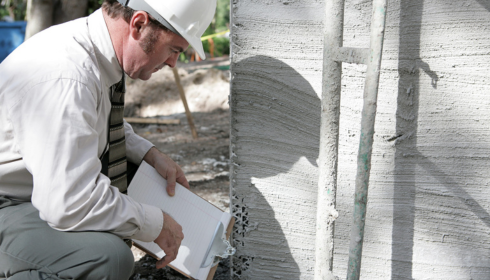
Exterior walls offer the first visual clues of foundation stress. Inspectors carefully study brick, siding, and concrete surfaces for cracks that follow unusual patterns. Horizontal cracks, stair-step fractures in masonry, or gaps that widen toward one end often suggest movement rather than simple aging. The location, width, and direction of each crack help foundation repair contractors understand whether the issue relates to settling, soil pressure, or structural load shifts. Surface movement is also evaluated by checking whether wall sections appear to lean, bulge, or pull away from adjacent materials. These changes are often easier to spot along corners, near windows, or where additions connect to the main structure. Homeowners searching for foundation crack repair near me are often surprised to learn that exterior damage can reveal problems forming deep below the ground.
Measuring Floor Levels to Find Uneven or Sloped Areas
Interior floor measurements provide critical data that visuals alone cannot. Using precision tools, inspectors record floor elevations across multiple rooms to detect dips, slopes, or high points. Even small changes over distance can indicate foundation settlement or support failure beneath the flooring system. Uneven floors are not always noticeable during daily use, which makes measurement essential. A slight slope toward one side of the house may point to soil compression or moisture-related support loss. These findings help a foundation specialist near me determine whether the issue is localized or affecting the entire structure.
Checking Doors and Windows for Sticking or Misalignment
Doors and windows respond quickly to structural shifts. Inspectors test whether doors swing freely, latch correctly, or rub against frames. Windows are examined for difficulty opening, cracked glass, or frames pulling apart at the corners. These problems occur because the structure no longer sits square. Changes in load distribution twist frames out of alignment, creating friction points. While many homeowners assume humidity is the cause, foundation repair contractors recognize these signs as indicators of deeper movement.
Inspecting Crawl Spaces or Basements for Moisture Signs
Below-floor spaces reveal conditions that living areas often hide. Inspectors enter crawl spaces or basements to look for standing water, damp soil, condensation, or mold growth. Moisture weakens structural materials and accelerates soil movement under footings.
The inspection also includes checking support piers, beams, and joists for rot or corrosion. Moisture patterns help identify whether water intrusion comes from poor drainage, plumbing leaks, or groundwater pressure. Many searches for foundation repair near me begin after moisture-related damage becomes visible inside the home.
Examining Foundation Walls for Bowing or Separation
Foundation walls are assessed for shape and alignment. Bowing walls often indicate lateral soil pressure pushing inward, while separation between wall sections suggests shifting or settling. Inspectors measure deflection and compare it against accepted tolerance ranges.
Cracks at wall joints or along mortar lines receive special attention. These areas reveal how forces are acting on the structure over time. Accurate documentation allows foundation repair contractors to recommend solutions that address the cause rather than masking symptoms.
Evaluating Soil Conditions Around the Home Perimeter
Soil plays a major role in foundation stability. Inspectors study grading, soil type, and compaction around the home’s perimeter. Expansive clay, loose fill, or eroded soil can all contribute to movement beneath the foundation.
Vegetation is also considered. Large trees near the foundation may draw moisture unevenly from the soil, causing shrinkage in dry periods. A foundation specialist near me often uses this information to explain why problems worsen during seasonal weather changes.
Looking for Gaps Between Walls, Ceilings, or Trim
Interior gaps form as the structure shifts out of alignment. Inspectors look for spaces where walls meet ceilings, trim pulls away from surfaces, or cabinets separate from walls. These gaps often appear gradually and may be dismissed as cosmetic issues.
Their placement, however, tells a story. Consistent gaps across multiple rooms often point to foundation movement rather than framing defects. This step helps foundation repair contractors connect interior symptoms with exterior and subsurface findings.
Documenting Drainage Patterns near the Foundation
Water flow around a home directly affects foundation performance. Inspectors observe how rainwater moves across the yard, where downspouts discharge, and whether water collects near the foundation. Poor drainage increases soil saturation and pressure against foundation walls.
This step also includes checking slope angles and hard surfaces that direct water toward the structure. Drainage documentation helps explain recurring moisture problems and supports recommendations for corrective measures beyond structural repair.
Comparing Findings to Structural Tolerance Standards
All inspection data is evaluated against established structural tolerance standards. Measurements of deflection, slope, and crack width are compared to acceptable limits used within the industry. This comparison separates normal aging from conditions that require intervention. By aligning observations with standards, foundation repair contractors can prioritize repairs and determine urgency. This step ensures that recommendations are based on measurable criteria rather than guesswork, giving homeowners clarity when considering foundation crack repair near me.
Professional inspections rely on experience, precise measurement, and a full understanding of how structures behave over time. Kennedy and Sons follows a detailed, methodical inspection process designed to uncover the real cause of foundation problems rather than just the visible symptoms.