A plumbing job can look simple from the outside. A pipe gets replaced, a leak gets fixed, water starts flowing again, and everyone moves on. But anyone who has dealt with a bad repair knows there is more to it than that. The real quality of plumbing work often shows up in the planning, testing, and communication that happen before and after the visible repair.
Homeowners usually call a plumber because something is already wrong. Maybe water is dripping under the sink. Maybe the shower pressure has dropped. Maybe there’s a damp smell near the laundry room that wasn’t there last week. In those moments, it’s tempting to just ask for the fastest fix. And sometimes that’s fine. But for bigger jobs, especially pipe repairs or replacements, a careful process matters.
The First Visit Should Feel Clear, Not Confusing
A good plumbing service starts with listening. The plumber should ask what you’ve noticed, how long it has been happening, and whether the issue has occurred before. These details can help uncover patterns. A one-time drip is different from repeated leaks in different parts of the home.
The inspection should also be practical. Pipes, fixtures, valves, water pressure, moisture signs, and pipe age may all need a look. Nobody expects homeowners to know the technical side, but they do deserve a clear explanation of what is going on.
Why Skilled Workmanship Matters
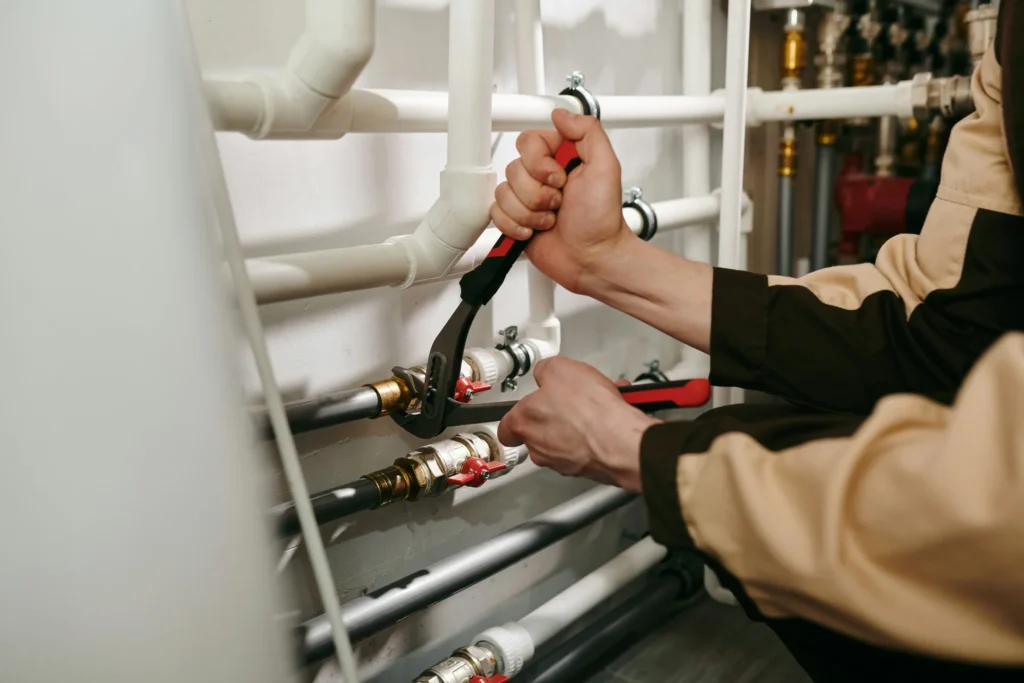
For serious pipe work, professional installation is not just a nice extra. It affects how safely and reliably the plumbing system performs for years. A poorly fitted pipe, loose connection, wrong material choice, or rushed repair can create new problems even if the original issue seems fixed.
This is especially true in older homes where plumbing may already be stressed. The right installer knows how to handle tight spaces, existing layouts, water pressure concerns, and code requirements without cutting corners.
Testing Is Part of the Job
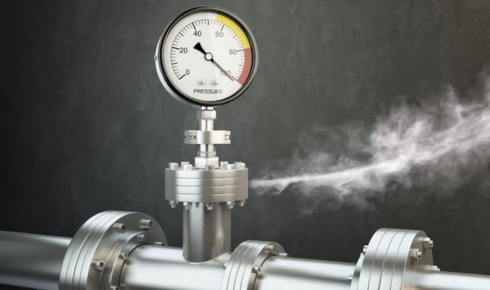
Once the repair or replacement is complete, the work should be checked properly. A pressure test helps confirm that the new or repaired section can hold water pressure without leaking. It may not be the most exciting part of the process, but it is one of the most important.
Skipping this step can leave homeowners with hidden trouble. A connection might look dry at first, then begin leaking later when the system is under normal use. Proper testing gives both the plumber and homeowner more confidence before the job is considered finished.
Know the Cost Before Work Begins
Nobody likes surprise costs, especially when dealing with home repairs. That’s why a clear written estimate is so useful. It gives you a record of the expected work, materials, labour, and possible limitations before you approve the job.
An estimate does not always mean the final cost can never change. Hidden damage behind walls or under floors can sometimes affect the scope. But a professional should explain those possibilities upfront, so you are not caught off guard.
Cheap Repairs Can Become Expensive Later
It’s natural to compare prices. Plumbing can be costly, and most homeowners want a fair deal. But the cheapest option is not always the best one. If a repair is done quickly with poor materials or no testing, the same problem may return.
Water damage can be far more expensive than the original plumbing issue. Floors, cabinets, drywall, paint, insulation, and electrical areas can all suffer when leaks are not handled properly. Paying for solid work once is often better than paying for repeated fixes.
Communication Makes the Experience Easier
Good plumbing work is not only about tools and pipes. It is also about communication. A homeowner should know what was found, what was repaired, why certain materials were used, and whether anything else needs attention.
Photos can help. Simple explanations help even more. When a plumber explains things plainly, homeowners can make better decisions without feeling pressured or lost. That kind of trust matters.
When Replacement Is Better Than Repair
Not every leak means a full pipe replacement is needed. Sometimes a small repair is completely reasonable. But if leaks keep appearing, water pressure is poor, or pipes are visibly corroded, a bigger solution may be worth considering.
A professional should help you weigh the options. Repairing one section may save money today, while replacing a failing system may save money over time. The right answer depends on pipe age, condition, location, and how often problems are happening.
Protecting the Home Beyond the Repair
The best plumbing jobs do more than solve today’s issue. They reduce the chances of future trouble. That may mean replacing weak fittings, improving shut-off access, checking pressure levels, or recommending maintenance steps.
Homeowners do not need to understand every technical detail. But they should feel that the work was done carefully and that their home is safer after the repair.
Final Thoughts
A reliable plumbing repair is built on more than quick tools and a fast visit. It starts with inspection, continues through skilled installation, and ends with proper testing and clear communication. That process may take a little more care, but it can prevent a lot of stress later.
When water is involved, small mistakes can cause big damage. So whether you are dealing with a simple leak or a larger pipe replacement, choose a service that treats the whole process seriously. Your home deserves that kind of attention.