A comfortable business environment is something people rarely notice—until it disappears. Walk into a cool office on a sweltering summer afternoon or a warm retail store on a chilly winter morning, and everything simply feels right. Employees stay focused, customers linger a little longer, and daily operations continue without interruption.
Behind that comfort is an HVAC system working harder than most people realize.
Commercial heating and cooling equipment often runs for long hours every day, quietly controlling temperature, humidity, and airflow across large spaces. Because these systems are built to be dependable, it’s easy to assume they’ll continue performing without much attention. In reality, even the best equipment benefits from routine maintenance.
A little preventive care can make the difference between years of dependable service and an expensive emergency repair that disrupts business at exactly the wrong moment.
Comfort Has a Bigger Impact Than Many Businesses Realize
Indoor comfort isn’t just a convenience—it influences how people experience your business.
Employees working in an office that’s too warm often struggle to concentrate. Customers browsing a retail store are less likely to stay if the environment feels uncomfortable. Restaurants, healthcare facilities, schools, and hotels all depend on consistent indoor temperatures to create positive experiences.
Maintaining reliable business comfort isn’t simply about adjusting a thermostat. It requires HVAC equipment that performs efficiently every day, regardless of outdoor weather conditions.
When heating and cooling systems receive regular attention, they’re much more likely to deliver the consistent comfort businesses rely on.
Commercial HVAC Systems Work Under Constant Pressure
Unlike residential equipment that cycles based on family routines, commercial HVAC systems frequently operate from early morning until late evening. Some facilities, including hospitals, manufacturing plants, hotels, and data centers, require climate control twenty-four hours a day.
That continuous workload naturally creates wear.
Motors accumulate thousands of operating hours.
Filters collect dust and debris.
Electrical components gradually loosen through vibration.
Coils become coated with dirt that reduces heat transfer.
None of these developments happen overnight, but together they slowly reduce efficiency while increasing stress on expensive equipment.
Preventive maintenance helps interrupt that cycle before it leads to larger mechanical failures.
Minor Issues Rarely Stay Minor
Many commercial HVAC failures begin as problems so small they’re nearly impossible to notice.
Perhaps a fan motor starts drawing slightly more current.
Maybe airflow decreases because filters haven’t been replaced.
A capacitor weakens little by little.
The system continues operating, so everything appears normal.
Meanwhile, additional strain spreads to other components.
Weeks or months later, what began as a simple maintenance issue becomes a major repair involving compressors, motors, or electrical systems.
Routine inspections help identify these concerns while they’re still inexpensive to correct.
Why Skilled Professionals Make Such a Difference
Commercial HVAC equipment has become increasingly sophisticated over the years.
Modern systems often include advanced controls, zoning technology, variable-speed motors, automated building management integration, humidity control, energy recovery systems, and complex ventilation components.
Maintaining this equipment requires more than basic mechanical knowledge.
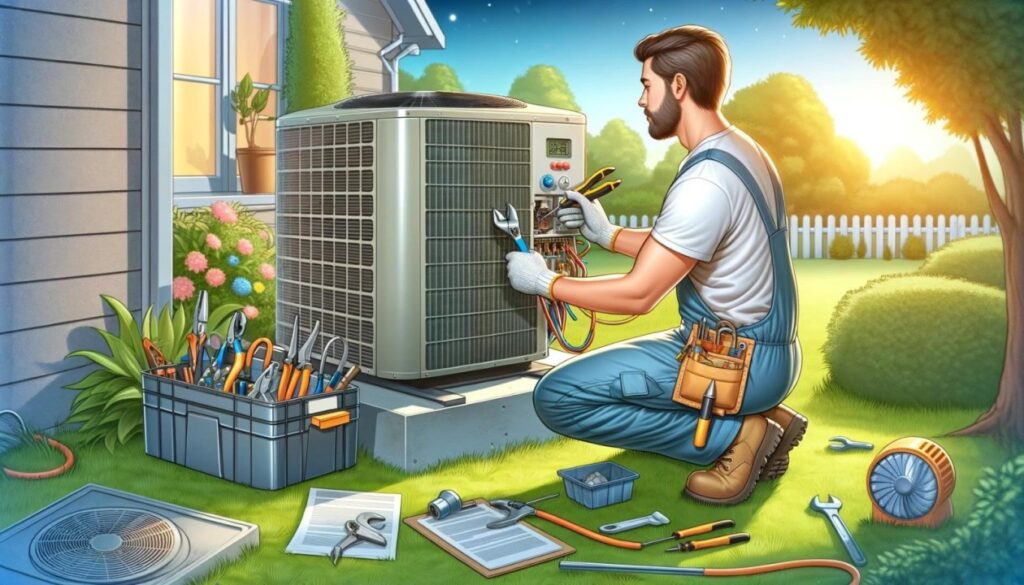
That’s why businesses rely on experienced hvac technicians who understand how commercial systems interact as a complete operating network.
Professional maintenance typically includes electrical testing, refrigerant analysis, airflow measurements, thermostat calibration, motor inspections, safety control verification, coil cleaning, and detailed performance evaluations.
These inspections uncover problems that would otherwise remain hidden until equipment performance noticeably declines.
Energy Costs Deserve More Attention
Heating and cooling usually account for one of the largest energy expenses within commercial buildings.
When HVAC equipment begins operating inefficiently, utility costs often increase gradually enough that few people notice the connection.
Dirty coils reduce heat transfer.
Restricted airflow forces motors to run longer.
Improper refrigerant levels reduce cooling capacity.
Loose electrical connections create unnecessary resistance.
Each issue adds a small amount to operating costs.
Combined over months of continuous operation, however, they can significantly affect a company’s utility budget.
Routine maintenance helps restore efficiency before those extra costs quietly accumulate.
Better Maintenance Supports Better Indoor Air Quality
Comfort involves more than simply controlling temperature.
Employees and customers also benefit from cleaner indoor air.
Commercial HVAC systems circulate enormous amounts of air every day. When filters remain clean and system components receive regular maintenance, dust, pollen, and airborne particles are managed far more effectively.
Cleaner air contributes to a healthier, more pleasant environment—especially in offices, schools, healthcare facilities, and businesses where people spend extended periods indoors.
Although indoor air quality isn’t always immediately visible, people often notice when a building simply feels fresher.
Protecting Long-Term system performance
One of the greatest benefits of preventive maintenance is preserving long-term system performance.
Every maintenance visit helps reduce unnecessary stress on expensive HVAC equipment.
Clean heat exchangers improve efficiency.
Lubricated moving parts reduce friction.
Balanced airflow protects blower motors.
Proper refrigerant levels reduce compressor strain.
Electrical inspections prevent overheating.
Each adjustment may seem relatively minor on its own, yet together they allow the system to operate closer to manufacturer specifications year after year.
Consistent performance also means fewer unexpected surprises during periods of heavy heating or cooling demand.
Fewer Emergencies Mean Better Business Planning
Emergency HVAC repairs rarely happen at convenient times.
They usually occur during the hottest days of summer or the coldest mornings of winter—exactly when equipment is working hardest.
For businesses, unexpected failures create more than repair costs.
Operations may slow.
Employees become uncomfortable.
Customers leave sooner.
Appointments get interrupted.
Revenue may even be affected.
Preventive maintenance greatly reduces the likelihood of these situations by identifying worn components before complete failures occur.
Planning repairs during scheduled maintenance windows is almost always easier than responding to emergency service calls during peak operating hours.
Equipment Life Matters Financially
Replacing commercial HVAC equipment represents a significant investment for any organization.
Whether it’s rooftop units, air handlers, chillers, or integrated climate control systems, replacement projects require substantial planning and capital.
Routine maintenance helps maximize equipment lifespan by reducing unnecessary wear throughout its operating life.
Well-maintained systems frequently continue performing reliably years longer than equipment that receives little or no preventive care.
Delaying replacement by even a few years often creates meaningful financial savings while improving return on investment.
A Smarter Approach to Business Comfort
Successful businesses rely on countless systems working quietly behind the scenes. HVAC equipment is one of the most important, yet it’s often one of the least appreciated—until something goes wrong.
Regular maintenance isn’t simply about avoiding repair bills. It’s about protecting productivity, controlling operating expenses, improving employee comfort, supporting healthier indoor environments, and extending the life of valuable equipment.
When commercial HVAC systems receive consistent professional care, they reward businesses with dependable performance throughout every season.
At the end of the day, customers may never compliment your heating and cooling system, and employees probably won’t think much about it either. That’s actually the goal. A well-maintained HVAC system does its job so effectively that everyone can focus on theirs. And for any growing business, that kind of quiet reliability is one of the smartest investments you can make.