Clean water is something most of us take for granted. We turn on the tap, fill a glass, make coffee, cook dinner, and move on with the day. But clear, odorless water isn’t always the same thing as truly clean water. Depending on where your water comes from, it can contain minerals, microorganisms, treatment byproducts, or other substances that aren’t obvious just by looking at it.
That doesn’t mean you should panic every time your water tastes a little different. It simply means water quality deserves a closer look. Understanding what may be present in your supply, how treatment works, and when testing makes sense can help you make smarter decisions for your home and family.
Why Water Quality Can Change
Water goes through quite a journey before it reaches your glass. Municipal supplies are treated and monitored, while private wells depend heavily on local groundwater conditions. Pipes, plumbing fixtures, seasonal changes, nearby agricultural activity, and even heavy rainfall can influence water quality.
Some issues are easy to notice. A strange smell, metallic taste, cloudy appearance, or staining around sinks can be a warning that something has changed. Other concerns are much harder to detect because many contaminants have no taste, smell, or visible color.
This is why relying only on your senses isn’t enough. Your water may look perfectly normal while still requiring attention.
Understanding Chlorine and Water Treatment
Chlorine has an important role in public water treatment. It is commonly used to disinfect water and control microorganisms as water travels through distribution systems. Without effective disinfection, harmful microbes could multiply and create serious public health concerns.
At the same time, some people dislike the taste or smell associated with chlorine. Strong chlorine odors can be especially noticeable when taking a shower or filling a glass. The goal isn’t necessarily to eliminate chlorine blindly, but to understand the amount present and choose an appropriate treatment method when needed.
Homeowners should also remember that chlorine & chemicals aren’t all the same. Different substances behave differently in water, and a filtration system designed for one problem may do little for another. Activated carbon, reverse osmosis, water softeners, and other technologies each have specific purposes.
The Hidden Problem: Bacteria and Other Contaminants
One of the biggest misunderstandings about water quality is assuming that clear water is automatically safe water. Unfortunately, appearance doesn’t tell the whole story.
Groundwater, particularly from private wells, can sometimes be affected by naturally occurring minerals or microorganisms. Surface water may face different challenges, including runoff and environmental pollutants. Older plumbing can also contribute metals or other unwanted substances under certain conditions.
Potential bacteria & contaminants can vary considerably depending on the source of the water. For example, a household using a private well may need to pay particular attention after flooding, construction near the well, changes in taste or odor, or repairs to the well system.
The important point is simple: water problems are highly individual. A treatment system that works beautifully for your neighbor might not be the right answer for your home.
Why Professional Water Testing Matters
When homeowners notice a water problem, it’s tempting to buy a filter immediately and hope for the best. Sometimes that works. Sometimes it wastes money.
Testing provides a much clearer starting point.
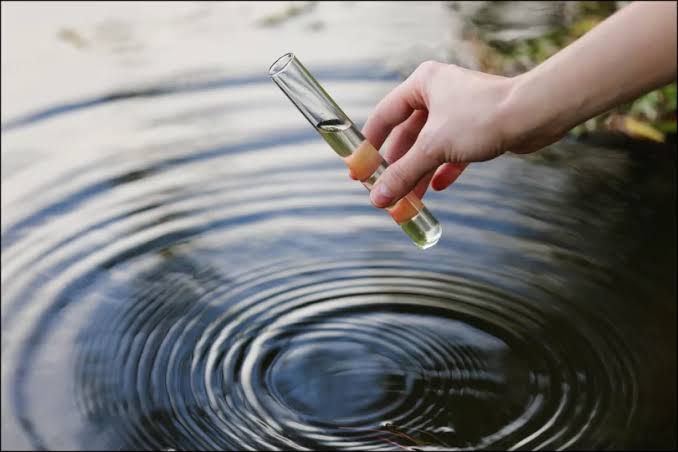
professional water testing can help identify specific characteristics of your water and provide useful information about what needs attention. Depending on the situation, testing may examine factors such as pH, hardness, iron, manganese, chlorine, bacteria, nitrates, or other parameters.
For private wells, regular testing is particularly useful because there isn’t the same centralized treatment and monitoring that exists with a public water supply. Testing can establish a baseline and help you notice changes over time.
And honestly, that’s often more useful than guessing.
Choosing the Right Water Treatment System
Once you know what’s actually in your water, choosing treatment becomes much easier. Different problems call for different solutions.
A water softener, for instance, is primarily intended to address hardness caused by minerals such as calcium and magnesium. It can help reduce scale buildup on fixtures and improve the feel of water during washing.
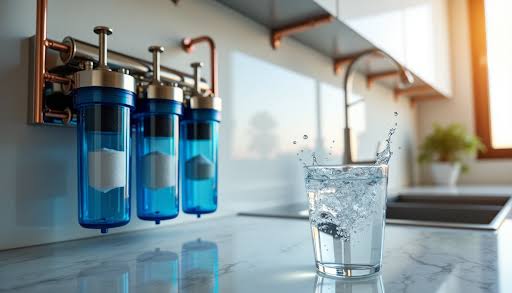
Activated carbon filtration is commonly used for certain tastes, odors, and chlorine reduction. Reverse osmosis systems can provide more intensive filtration for drinking water, depending on the contaminants involved. UV systems are another option in situations where microbial treatment is appropriate.
There isn’t one magical system that solves every water problem. That’s worth remembering before spending hundreds or thousands of dollars on equipment.
Signs You Should Consider Testing Your Water
You don’t necessarily need to wait until something looks wrong. Regular testing can be a sensible part of maintaining a private water supply, while certain changes deserve faster attention.
Consider testing if you notice:
- A sudden change in taste, odor, or appearance
- Repeated staining on sinks, tubs, or laundry
- Changes after flooding or heavy rainfall
- Recent well repairs or plumbing work
- Concerns about nearby agricultural or industrial activity
- A new water source or newly purchased property
- Unexplained changes in water quality
Families with infants, older adults, or people with particular dietary or environmental concerns may also want to discuss appropriate testing with a qualified water professional.
Don’t Treat the Guesswork
Water treatment works best when it’s based on evidence rather than assumptions. Buying a filter because a friend recommended it may feel convenient, but water chemistry differs from house to house.
Start by identifying the source of the water. Look at any existing treatment equipment. Check maintenance records, if available. Then test the water when appropriate and use those results to guide your next step.
It’s a little less exciting than buying a shiny new filtration system, sure. But it can save money and frustration in the long run.
Making Better Water Decisions at Home
Good water quality isn’t about chasing perfection. It’s about knowing what you’re dealing with and taking sensible steps to protect the quality of the water you use every day.
Whether your concern is chlorine taste, hard water, microorganisms, unpleasant odors, or something more complicated, the smartest approach is usually the same: understand the source, identify the problem, and choose treatment based on actual information.
After all, water is part of nearly everything we do. We drink it, cook with it, bathe in it, and depend on it without giving it much thought. A little attention to its quality can go a surprisingly long way.