Water has a funny way of becoming noticeable only when something isn’t quite right. Most days, we turn on the faucet without thinking twice. We fill a glass, make coffee, take a shower, wash clothes, and get on with everything else waiting for us.
Then the little problems start showing up.
Maybe the faucet has a chalky ring around it. Perhaps your shower door needs cleaning every few days, or the water doesn’t taste as fresh as you’d like. Sometimes the issue is more specific, such as sediment or a particular water-quality concern.
Thankfully, homeowners have more treatment options than ever. The challenge isn’t finding a system. It’s figuring out which one actually makes sense for your home.
Start With the Water You Have
Before choosing any equipment, take a close look at what your water is doing.
Hard water often leaves mineral deposits on fixtures and appliances. Some water may have an unusual taste or odor. Other households may be more concerned about sediment or specific substances that require specialized treatment.
These problems can look similar at first, but they aren’t necessarily solved in the same way.
That’s why testing the water can be such a useful first step. Instead of guessing, you get information that can help point toward the right treatment approach.
Why One System Doesn’t Solve Everything
It’s tempting to think that one filter should be able to handle every possible water issue. In reality, different technologies are designed for different jobs.
A system designed to reduce sediment isn’t automatically designed to address hardness. A water softener isn’t a universal drinking-water filter. And a drinking-water system installed under the kitchen sink won’t necessarily improve every gallon of water entering the house.
Understanding those differences can save you both money and frustration.
The goal isn’t to buy the biggest system available. It’s to choose equipment that matches the actual needs of your household.
Understanding Salt-Free Water Treatment
Some homeowners specifically look for salt-free water systems because they want an alternative approach to traditional water softening.
Salt-free systems are generally designed to condition water rather than remove hardness minerals in the same way that conventional ion-exchange softeners do. Depending on the technology, they may help reduce the tendency of minerals to form scale on plumbing surfaces.
That’s an important distinction.
If you’re considering a salt-free option, ask what the system is actually designed to accomplish and whether it matches your water conditions. Marketing terms can sometimes make different technologies sound more similar than they really are.
Knowing the difference before installation is always worthwhile.
When Specialty Filtration Makes Sense
Not every water problem fits neatly into a standard category. Sometimes homeowners have a particular concern that requires a more targeted approach.
That’s where specialty water filters can become useful. These systems may be designed around specific water characteristics or applications rather than general filtration.
For example, a home might need a specialized solution for a particular taste, odor, contaminant, or water condition identified through testing.
The important thing is to start with the problem. Once you know what you’re trying to reduce, choosing a suitable technology becomes much easier.
The Convenience of Under-Sink Filtration
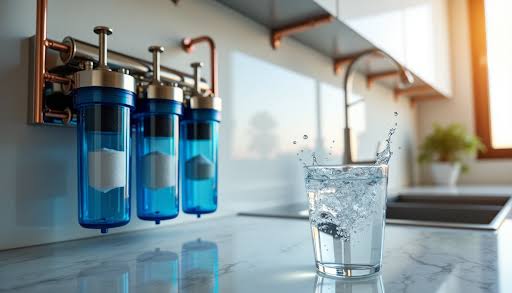
For homeowners who mainly want improved water at the kitchen faucet, under sink water filters can be a practical option.
These systems are installed beneath the sink and typically provide filtered water through a dedicated faucet or connection, depending on the design. They’re useful when the main priority is drinking and cooking water rather than treating the entire household supply.
There is also a simple practical advantage: the system stays out of sight.
You don’t have to give up valuable counter space just to have access to filtered water.
Whole-Home Treatment Has a Different Purpose
Whole-home systems make more sense when water concerns extend beyond the kitchen.
Think about the water used for showers, laundry, bathroom sinks, dishwashing, and appliances. If the same issue appears at several fixtures, treating only one faucet may not be enough.
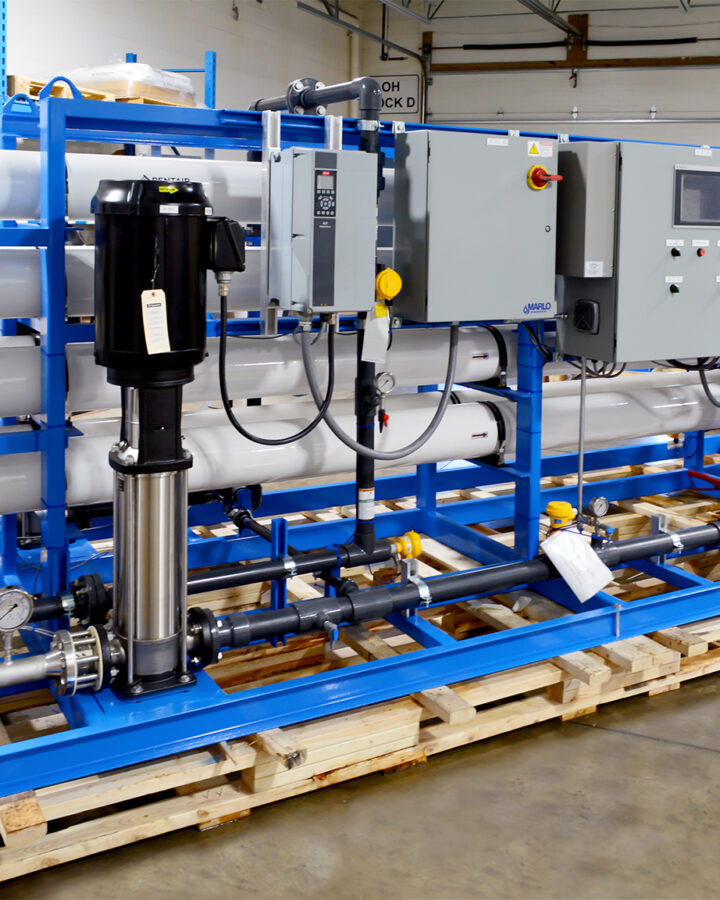
A whole-home approach can treat water as it enters the property so that multiple points of use receive treated water.
Whether that is necessary depends on the problem. If you’re mainly concerned about drinking water, a point-of-use system may be perfectly adequate. If your entire plumbing system is dealing with a particular water condition, broader treatment may be worth considering.
Hard Water Can Affect Daily Routines
Hard water is one of the most common complaints homeowners have.
Calcium and magnesium can create mineral deposits that show up around faucets, showerheads, sinks, and appliances. You may notice spots on dishes or find that soap doesn’t lather quite as easily.
None of these problems necessarily appears overnight.
Instead, they slowly become part of the household routine. You wipe the faucet again. You scrub the shower door again. You replace an appliance part and wonder why there was so much buildup.
Sometimes the most useful question isn’t “How do I clean this?” but “Why does this keep happening?”
Drinking Water Deserves Extra Attention
The water used for drinking and cooking naturally gets plenty of attention from homeowners.
Point-of-use filtration can be a convenient way to focus treatment where it’s needed most. Depending on the water quality, homeowners may consider carbon filtration, reverse osmosis, or other technologies.
The right choice depends on what the water test shows and what you’re trying to accomplish.
Don’t assume that every advanced system is necessary. A simpler filter can sometimes do exactly what you need.
Maintenance Is Part of Ownership
Water treatment equipment isn’t completely maintenance-free.
Filters need replacement. Some systems require cleaning or inspection. Components can eventually wear out, and manufacturers usually provide recommended service schedules.
It’s easy to forget these things because the equipment works quietly in the background.
A simple reminder on your calendar can help. Keep track of when filters were installed and when they should be replaced. If you’re using a more complex treatment system, professional servicing may also be useful.
A little attention now can prevent bigger headaches later.
Think About Long-Term Value
When comparing treatment systems, don’t look only at the purchase price.
Consider installation, replacement filters, service, operating requirements, and the expected lifespan of the equipment.
A low-cost system isn’t necessarily a bargain if its filters need constant replacement or if it doesn’t address the actual water problem.
Likewise, spending heavily on equipment with features you don’t need isn’t necessarily smart either.
The best value usually comes from choosing a system that is appropriately sized and designed for your household.
Ask Questions Before You Buy
A reputable water-treatment professional should be willing to explain the system in plain language.
Ask what the equipment is designed to reduce. Find out how often maintenance is required and what replacement parts cost. Ask whether the system is intended for whole-home use or a specific point of use.
You don’t need to understand every technical term.
You simply need enough information to know why the equipment is being recommended and what you can reasonably expect from it.
Making Water Treatment a Practical Home Improvement
Improving household water doesn’t have to become an overwhelming project.
Start by noticing the problems. Test the water when appropriate. Understand the difference between softening, conditioning, filtration, and specialized treatment. Then compare solutions based on what your home actually needs.
There isn’t one perfect system for every household, and that’s okay.
A family with hard water may need a very different setup from someone whose main concern is drinking-water taste. A homeowner with a specific water-quality issue may need specialized equipment rather than a basic filter.
The smartest choice is usually the one that solves the real problem without creating unnecessary complexity.
Once the right system is installed and properly maintained, you may barely think about it. You’ll simply turn on the faucet, fill your glass, take a shower, or start the dishwasher and carry on with your day.
And honestly, that’s what good water treatment should feel like—quiet, dependable, and useful.