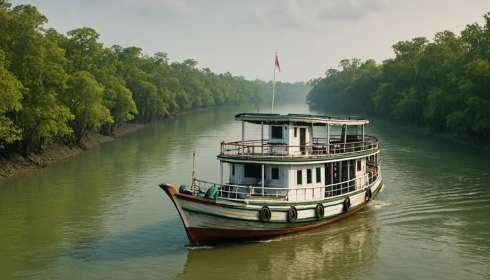

The Sundarbans, a UNESCO World Heritage Site, is not your typical tourist destination. It’s a realm where nature reigns in its rawest form — a sprawling delta carved by the confluence of the Ganga, Brahmaputra, and Meghna rivers, wrapped in misty mangroves and teeming with elusive wildlife. A Sundarban tour isn’t just a trip; it’s a journey into the unknown — a voyage of discovery where every rustle in the forest might be the call of a Royal Bengal Tiger or the splash of a crocodile slipping into a muddy creek.
For the modern traveller craving more than city lights and curated sightseeing, the Sundarbans offer something primal, grounding, and deeply memorable.
What Makes the Sundarbans So Special?
The Sundarbans is the largest mangrove forest in the world, straddling India and Bangladesh. On the Indian side, it falls within West Bengal and is home to the famous Sundarbans National Park. With over 100 islands (some inhabited, many not), 400+ rivers, and a maze of creeks, the landscape is constantly shifting — shaped by tides, monsoons, and the wild whims of the forest itself.
But the real star of this show is undoubtedly the Royal Bengal Tiger. Unlike other tigers, the ones here are known to swim across wide rivers, hunt during the day, and live in complete harmony (and sometimes conflict) with local villagers. And then there’s the supporting cast: spotted deer, saltwater crocodiles, wild boars, snakes, mudskippers, and hundreds of bird species.
Types of Sundarban Tour Packages
Whether you’re a solo backpacker, a couple seeking eco-adventure, or a family hoping to instil some nature-love in the kids, there’s a Sundarban tour package tailored for every kind of traveller.
1. One-Day Tour: Ideal for quick getaways. Typically starts early in the morning from Kolkata and includes a boat ride through the mangrove creeks, a visit to the Sajnekhali Watchtower, and returns by evening. Limited, but a great teaser.
2. Two-Night, Three-Day Package: This is the most popular. You get deeper into the forest, visit multiple watchtowers (Sudhanyakhali, Dobanki, Netidhopani), and enjoy village walks, folk dances, and overnight stays on boats or eco-resorts.
3. Luxury Cruises: For those who want to blend adventure with comfort. Luxury houseboats or jungle lodges offer air-conditioned rooms, gourmet meals, and guided jungle safaris in small groups.
4. Custom Eco-Tours: These are for the truly adventurous — often involving tent stays, extended treks, birdwatching tours, and guided exploration into the lesser-visited islands.
Best Time to Visit Sundarbans
The best season is between November and March when the weather is cooler and wildlife sightings are more frequent. Avoid the monsoon months (June to September) due to heavy rainfall and increased risk of flooding.
Travel Tips Before You Go
- Carry mosquito repellent and sunscreen — the humid, forested climate invites both sun and bugs.
- Binoculars and a zoom lens are a must if you’re keen on spotting wildlife or photographing birds.
- Stay silent and alert during boat safaris. The forest is a living, breathing entity — and silence increases your chances of a real encounter.
- Support eco-tourism by opting for local guides and staying in environmentally conscious resorts.
A Deeper Connection to Nature
A visit to the Sundarbans humbles you. There are no flashy malls, no touristy gimmicks, just the steady rhythm of the tide, the whisper of mangrove leaves, and the occasional roar in the distance. It’s not just about spotting a tiger; it’s about understanding how fragile and powerful nature can be — and how closely human life is intertwined with it.
If you’re planning your next escape and want something beyond the usual hill station or beach retreat, put the Sundarbans on your radar. It’s one of those rare places where every sunrise feels like a gift and every moment is lived in awareness.