There’s something quietly mesmerizing about a pond. Maybe it’s the stillness of the surface, the way sunlight dances across the water, or the soft ripple created by a passing breeze. Ponds—whether in a backyard garden, a rural property, or a community park—have a way of bringing calm into otherwise busy lives. But beneath that peaceful surface, a pond can quickly become an ecosystem in distress if it isn’t cared for properly.
Anyone who has ever watched a once-clear pond slowly turn cloudy or green knows the feeling. It’s frustrating. The fish disappear from view, algae spreads, and the water begins to smell a little… off. At that point, most people start asking the same question: how do you bring a pond back to life?
The answer usually begins with pond water treatment.
Why Pond Water Changes Over Time
Ponds are living environments, not static pools. Leaves fall in. Fish produce waste. Rain carries nutrients from nearby soil or lawns. Over time, all of this builds up beneath the surface.
When organic material decomposes, it releases nutrients—particularly nitrogen and phosphorus. Those nutrients feed algae and unwanted aquatic plants. Soon enough, the water turns murky, oxygen levels drop, and the entire ecosystem becomes unbalanced.
In small backyard ponds, this process can happen surprisingly quickly. In larger natural ponds, it might take longer, but the same cycle eventually appears.
The challenge isn’t stopping nature from happening—that’s impossible. The real goal is guiding it in a healthier direction.
The First Step: Understanding the Water
Before rushing into solutions, experienced pond managers often take a moment to understand what’s actually going on. Is the water cloudy because of suspended sediment? Is algae the main culprit? Or is excess organic sludge building up at the bottom?
Each pond has its own personality, shaped by climate, nearby vegetation, wildlife, and even how much sunlight it receives. That’s why testing the water often reveals surprising things—like imbalanced pH levels or unusually high nutrient concentrations.
This is where water quality improvement becomes more than just a vague goal. It turns into a strategy.
A thoughtful approach might involve improving oxygen circulation, introducing beneficial bacteria, or reducing nutrient sources entering the pond. Sometimes the fix is simple. Other times it requires a bit more patience and planning.
Either way, understanding the root cause makes a world of difference.
Nature Works Best When You Work With It
There’s a common misconception that pond maintenance requires constant chemical intervention. In reality, the healthiest ponds usually rely on natural balance.
For example, aquatic plants can act as powerful natural filters. Their roots absorb excess nutrients that would otherwise feed algae. At the same time, moving water—through fountains or aeration systems—helps maintain oxygen levels that beneficial bacteria depend on.
These bacteria break down organic waste before it becomes a larger problem. It’s a quiet process happening out of sight, but it’s essential to maintaining clarity and ecological stability.
Some pond owners even notice that once the ecosystem finds balance, maintenance becomes far easier. The water clears, fish become more active, and the pond regains that calm, reflective beauty people love.
When One Solution Doesn’t Fit All
Every pond is different. A decorative koi pond in a garden has very different needs compared with a farm pond or a community water feature.
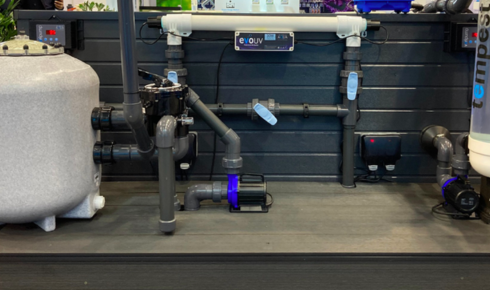
That’s why many modern approaches rely on customized filtration systems designed specifically for the size, depth, and biological activity of the pond.
In smaller ponds, filtration might include mechanical filters that remove debris alongside biological filters that house beneficial bacteria. Larger ponds sometimes require aeration systems or natural wetland-style filtration areas.
It’s not always about installing complex equipment, though. Sometimes small adjustments—like repositioning a pump or adding a simple skimmer—can dramatically improve water clarity.
The key idea is flexibility. What works beautifully in one environment may be completely ineffective in another.
The Quiet Reward of a Healthy Pond
Restoring a pond isn’t an overnight transformation. It’s more like watching a slow sunrise. Changes happen gradually—first the water clears a little, then algae begins to fade, and eventually fish and plants start thriving again.
People often underestimate how rewarding that process can be. A healthy pond doesn’t just look better; it feels different. The water reflects the sky instead of hiding beneath green haze. Dragonflies skim the surface. Birds stop by for a drink.
And maybe the best part? The maintenance becomes simpler once balance returns.
A pond that’s working with nature rather than against it rarely demands constant attention. A little monitoring here, a bit of seasonal care there—and the ecosystem largely takes care of itself.
In the end, ponds remind us of something we sometimes forget in modern life: balance matters. With the right understanding, a bit of patience, and thoughtful care, even a troubled pond can become clear, vibrant, and full of life again.