Water is probably the most frequently used ingredient in your kitchen, yet it rarely receives much attention. You might carefully select your coffee beans, buy fresh vegetables from a Lancaster farmers’ market, and spend time preparing homemade meals without giving your tap water a second thought. That changes when an unpleasant aftertaste or unfamiliar odor becomes difficult to ignore.
For homeowners throughout Lancaster and Southeastern Pennsylvania, drinking water filtration with RO offers a practical approach to reducing many unwanted dissolved substances while providing convenient access to treated water.
Understanding how this technology works, what it can accomplish, and how it fits into everyday life can help you decide whether it’s a worthwhile addition to your home.
Why Ordinary Water Filters Have Their Limitations
A simple filter pitcher can be useful, especially when your primary concern is an unpleasant chlorine taste. However, not every filtration method addresses the same substances.
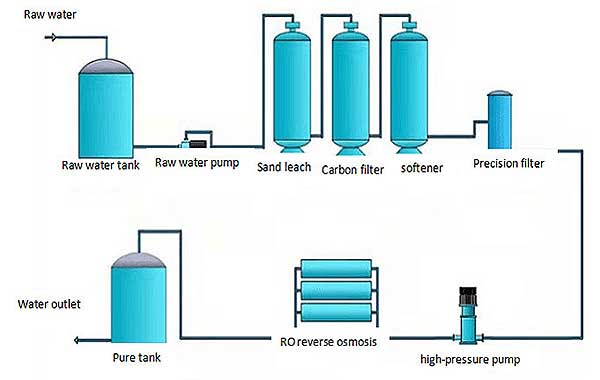
Reverse osmosis works by applying pressure to move water through a semipermeable membrane. This process reduces many dissolved substances that conventional mechanical filters cannot effectively capture.
Most residential equipment also includes sediment and carbon filtration stages that help protect the membrane and address certain taste-related concerns.
Depending on documented equipment capabilities, reverse osmosis may reduce specific contaminants such as nitrate, lead, fluoride, and dissolved salts.
However, no single filtration technology should automatically be considered a complete solution. Understanding what’s present in your water is essential before choosing treatment equipment.
Making Better Drinking Water an Everyday Priority
Think about how often you reach for a glass of water throughout the day. Perhaps it’s after working in the garden, during dinner, or just before heading out for a walk.
Having cleaner drinking water readily available can make these ordinary moments more enjoyable, particularly when appropriate treatment addresses the unpleasant flavors or specific contaminants you’ve identified in your supply.
Children can conveniently refill their reusable bottles before school, while adults may find themselves purchasing fewer bottled beverages.
However, pleasant taste shouldn’t be confused with proven water safety. Reliable testing and verified treatment performance remain important.
A well-chosen filtration system combines everyday convenience with an informed approach to managing water quality.
Finding a Reverse Osmosis System That Fits Your Kitchen
Every kitchen is different. Some have spacious cabinets and plenty of storage, while others barely have enough room for cleaning supplies beneath the sink.
When comparing reverse osmosis filters for home use, consider available installation space, incoming water pressure, production capacity, and replacement filter expenses.
Traditional models commonly include a storage tank that holds treated water until it’s needed. Tankless designs generally produce water on demand and may provide a more compact arrangement.
Consider your household’s habits as well. If several family members fill large water bottles every morning, adequate production capacity becomes particularly important.
There’s little benefit in purchasing equipment with impressive specifications if it doesn’t comfortably accommodate your family’s actual needs.
Good Food Deserves Thoughtful Water Choices
Lancaster County has a wonderful appreciation for fresh ingredients and homemade cooking. From hearty soups to traditional family recipes, food often brings people together around the kitchen table.
Water plays a quiet but important role in many of these meals.
An unpleasant mineral aftertaste or noticeable disinfectant flavor can influence certain dishes and beverages. Appropriately filtered water may provide a more neutral starting point, allowing other ingredients to stand out.
Coffee enthusiasts might also enjoy experimenting with different water characteristics. Some mineral content contributes positively to coffee extraction, so individual preferences can vary.
Even something as simple as homemade lemonade might taste different when prepared with suitably filtered water.
It’s an interesting reminder that good cooking sometimes begins with paying closer attention to familiar ingredients.
Understanding the Cost Beyond the Initial Installation
Installing a drinking water system involves more than paying for the equipment itself. Replacement cartridges, membrane servicing, and water consumption contribute to long-term operating expenses.
Reverse osmosis produces a concentrate stream that carries rejected substances toward the drain. Comparing documented water efficiency between different systems can help you make a more informed purchasing decision.
Consider how much your household currently spends on bottled water, too.
A dedicated filtration system may reduce that expense, although potential savings depend on consumption patterns and maintenance costs.
Rather than focusing exclusively on finding the lowest purchase price, look for equipment that offers dependable performance and manageable ownership expenses over time.
Keeping Your Filtration Equipment Performing Properly
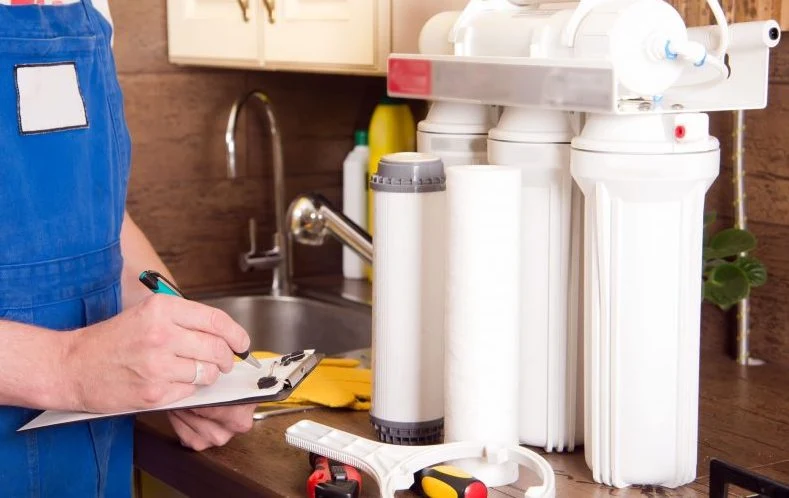
It’s remarkably easy to forget about equipment that’s tucked away beneath the kitchen sink. Unfortunately, filtration components don’t last forever.
Sediment cartridges gradually accumulate particles, carbon filters exhaust their treatment capacity, and reverse osmosis membranes eventually require replacement.
Follow manufacturer recommendations and keep track of maintenance dates. Investigate unexpected changes in water production, flow, or taste rather than simply ignoring them.
Private well owners throughout Southeastern Pennsylvania should also maintain regular laboratory testing schedules, including annual assessments for bacteria and nitrate.
Appropriate follow-up testing helps verify treatment performance when addressing health-related contaminants.
A little preventive maintenance can make equipment ownership considerably more straightforward.
Enjoying Better Water Without Complicating Your Life
Improving drinking water quality doesn’t necessarily mean renovating your kitchen or investing in an elaborate treatment arrangement.
For families throughout Lancaster and Southeastern Pennsylvania, the process begins with understanding their water supply and choosing equipment that addresses specific concerns.
The benefits may appear during familiar moments: making breakfast, filling a water bottle before work, or sharing a pitcher of homemade iced tea on the porch.
Water is part of nearly every day, every meal, and countless family routines.
Giving its quality thoughtful attention is a practical investment in everyday comfort. And sometimes, having pleasant-tasting, appropriately treated water available straight from the kitchen faucet is one of those simple improvements you’ll wonder why you didn’t consider sooner.