Have you ever wondered how much time you spend removing mineral deposits from your home? A few minutes scrubbing the kitchen faucet, another half hour cleaning the shower door, and perhaps a Sunday afternoon descaling your coffee maker. It doesn’t seem like much until you realize how often these chores need repeating.
Hard water is frequently behind these everyday frustrations. Although it isn’t generally considered a health hazard, its effects can become increasingly noticeable throughout a property.
Fortunately, managing water hardness doesn’t have to involve complicated changes to your home. Understanding where mineral deposits come from and how suitable treatment equipment works can help you tackle the problem more effectively.
Why Hard Water Scale Keeps Coming Back
Water naturally collects dissolved calcium and magnesium as it travels through underground rock formations and soil. When these minerals are present in relatively high concentrations, the water is classified as hard.
As water evaporates or is heated, dissolved minerals can form solid deposits. That’s the chalky substance you see around faucets, inside kettles, and on bathroom surfaces.
Homeowners looking to reduce hard water scale with softening can address the underlying cause by lowering the concentration of hardness minerals before water reaches connected fixtures and appliances.
Unlike traditional cleaning products, which remove deposits after they’ve formed, softening helps limit new accumulation.
There’s something particularly appealing about solving a recurring problem rather than constantly cleaning up after it.
The Hidden Trouble Inside Your Household Appliances
Mineral deposits on bathroom fixtures are irritating, but at least you can see them. What happens inside household appliances is often more concerning from a maintenance perspective.
Water heaters are especially susceptible to scale accumulation because heating hard water encourages mineral deposits to form.
When substantial buildup develops on heating surfaces, it may interfere with heat transfer and reduce operating efficiency.
Dishwashers, washing machines, and coffee makers can also experience mineral-related maintenance problems.
These issues tend to develop gradually. You might not notice anything unusual until an appliance starts performing poorly or requires more frequent servicing.
Managing excessive water hardness can help limit unnecessary mineral accumulation and support the performance of equipment you depend on every day.
Finding an Effective Approach to Water Softening
Water treatment technology offers several ways to manage mineral-related concerns. However, not every product performs exactly the same function.
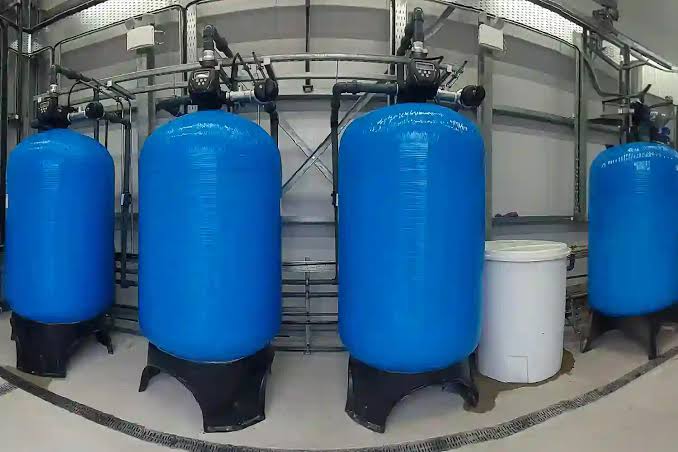
Traditional salt-based softeners typically use ion exchange technology. Water passes through specialized resin beads that capture calcium and magnesium ions while releasing sodium or potassium ions.
Different water softening solutions are available to accommodate household size, incoming water hardness, consumption patterns, and maintenance preferences.
Some systems feature demand-based regeneration, allowing them to restore their treatment capacity according to actual water usage.
Salt-free conditioners are another option for certain households, although they generally aim to manage scale formation rather than remove hardness minerals.
Understanding these differences matters. If your main concern is improving soap performance and reducing mineral content, a conventional softener may be more suitable than a scale-control device.
How Softer Water Can Improve Everyday Comfort
Not every benefit of water treatment needs to involve complicated technology or expensive appliance repairs.
Sometimes, the difference becomes noticeable during the simplest household activities.
Traditional soap tends to lather more easily in softened water. Glassware may develop fewer mineral spots, and laundry could feel more comfortable depending on detergent choices and washing conditions.
Bathroom cleaning may also become less demanding when new mineral deposits accumulate more slowly.
Imagine finishing your weekend chores without having to spend quite so much time scrubbing the shower door. It’s hardly a life-changing event, but it’s certainly a welcome improvement.
These little conveniences can make household routines feel more manageable over time.
Choosing Equipment That Matches Your Household’s Needs
Shopping for a water softener can become overwhelming rather quickly. Different sizes, capacities, and features make comparing equipment more complicated than many homeowners expect.
When evaluating water softeners for homes, consider incoming water hardness, daily consumption, available installation space, and peak water demand.
A family with several children and multiple bathrooms will probably have different requirements from a retired couple living in a smaller property.
Equipment that’s too small may regenerate excessively or struggle to maintain consistent softening performance. An unnecessarily large unit, meanwhile, could increase installation expenses.
Professional water testing and appropriate system sizing can help homeowners avoid these problems.
The most suitable equipment isn’t necessarily the most expensive. It’s the system that reliably meets your household’s actual requirements.
Considering the Financial Side of Water Softening
Installing treatment equipment involves an upfront investment. Naturally, homeowners want to know whether the benefits justify the expense.
Potential savings may come from reduced descaling requirements, fewer mineral-related maintenance problems, and improved efficiency in certain appliances.
However, conventional softeners also have operating costs. Salt replenishment, regeneration water, and occasional servicing should all be considered.
Ask your installer about estimated maintenance expenses and equipment efficiency before making a purchase.
Financial benefits vary between households, particularly depending on original water hardness and consumption levels.
A Little Maintenance Makes a Big Difference
Once installed, a water softener shouldn’t require constant attention. Nevertheless, regular maintenance remains important.
Check salt levels, follow manufacturer recommendations, and arrange servicing when necessary. If mineral deposits unexpectedly return, testing your water hardness can help determine whether the equipment needs adjustment.
Remember that softening doesn’t replace drinking water purification. Separate filtration may be appropriate if other water quality concerns exist.
Spend Less Time Fighting Mineral Deposits
Living with hard water doesn’t mean accepting endless cleaning and frequent descaling as permanent household responsibilities.
With reliable testing, suitable treatment equipment, and consistent maintenance, homeowners can manage excessive hardness more effectively.
A comfortable home isn’t always the result of major renovations or expensive upgrades. Sometimes, it’s the smaller improvements working quietly behind the scenes that make everyday life easier. Water softening can be one of those improvements, helping you protect your property while spending more time actually enjoying it.